
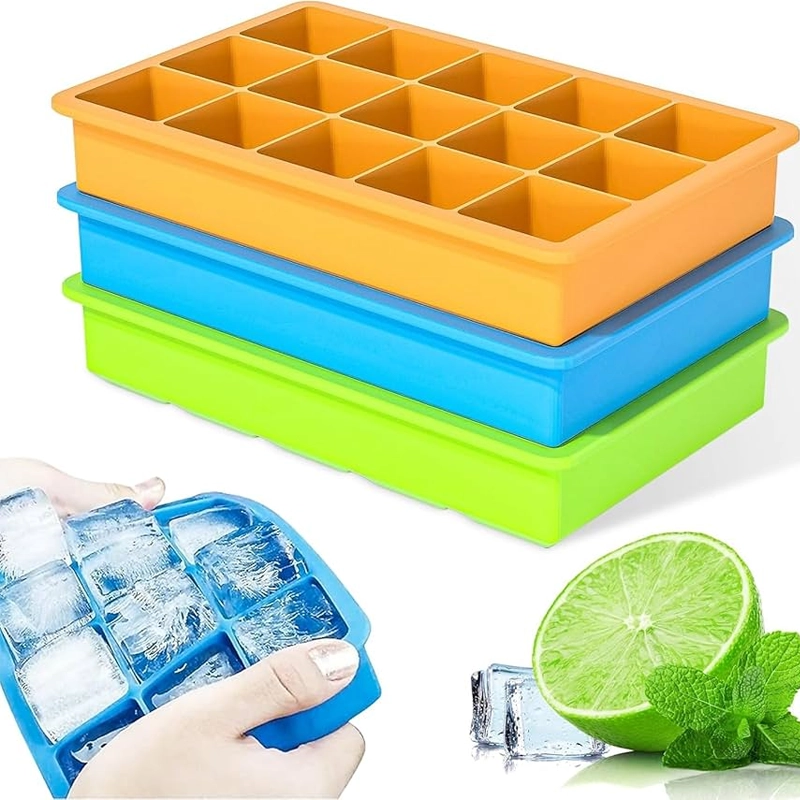
At Neosilicone, a specialist manufacturer and OEM partner offering a full one-stop service, we help brands and food-service suppliers evaluate material choices for kitchenware. Choosing between plastic and silicone ice cube trays affects product performance, user experience, compliance, and manufacturing economics. This guide compares the two materials across practical attributes, explains the production process for silicone trays, and gives B2B buyers the information needed to specify custom ice cube tray products for retail or food-service channels.
The Basics of Ice Cube Tray Materials
What is Silicone?
Silicone is a synthetic elastomer made primarily from silicon, oxygen, carbon, and hydrogen. Food-grade silicones used for ice trays are typically platinum-cured and formulated to meet FDA, EU food-contact, or equivalent standards. Silicone is soft, flexible, heat-resistant, and chemically stable.
What is Plastic?
“Plastic” refers to a broad family of thermoplastics commonly used for trays, such as polypropylene (PP), polyethylene (PE), and sometimes ABS. These materials are rigid or semi-rigid, moldable by injection, and cost-effective at scale. For food contact, plastics must be formulated and certified to avoid harmful additives (BPA-free grades are standard).
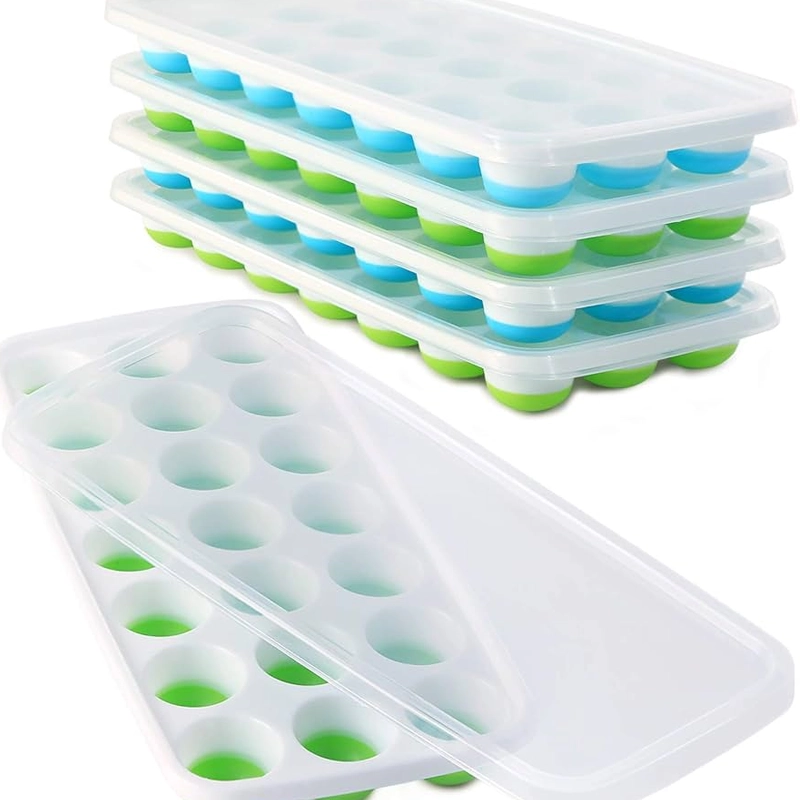
Comparing the Two Materials
1. Flexibility and Ease of Use
Silicone: Highly flexible—you can twist or pop out ice shapes easily without cracking. This makes silicone ideal for novelty shapes and complicated molds.
Plastic: Rigid trays require leverage or tapping to release cubes; they’re less forgiving with intricate shapes but provide a solid fill surface that resists tipping.
2. Durability and Longevity
Silicone: Resistant to cracking, corrosion, and temperature cycling; it won’t become brittle with freezer use. With proper grade selection, silicone has excellent lifecycle performance.
Plastic: Depending on grade, plastics can crack over time, especially if frequently flexed or exposed to temperature extremes. High-quality PP is durable, but lower-cost plastics may degrade.
3. Temperature Resistance
Silicone: Wide temperature window (often −60°C to +230°C), enabling use for freezing, oven baking (for molded desserts), and dishwasher/sterilization cycles.
Plastic: More limited range. PP and PE tolerate freezer temps well, but many plastics warp or degrade at elevated temperatures and are not oven-safe.
4. Safety and Health Considerations
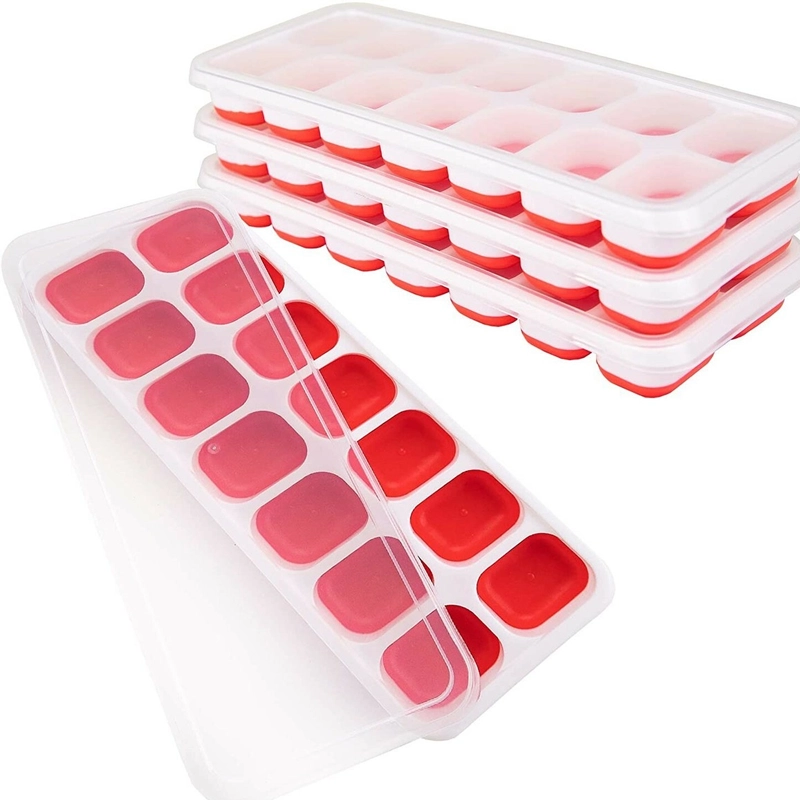
Silicone: Food-grade silicone is non-reactive, BPA-free, and generally resistant to staining and odor absorption when formulated correctly. Certification and CoAs are key for B2B buyers.
Plastic: Safe when using certified food-grade resins, but buyers must avoid materials with additives that can migrate (e.g., some softeners). Ensure supplier testing for migration and heavy metals.
Practical Applications of Ice Cube Trays
1. Creating Flavored Ice Cubes
Silicone’s flexibility supports complex cavities (herbs, citrus, or molded shapes) and easy unmolding—ideal for premium cocktail and culinary uses.
2. Infusing Spirits and Cocktails
For bars and hospitality, silicone molds enable large, clear spheres or decorative shapes that reduce dilution; plastic’s rigidity works for standard cubes but limits design options.
3. Freezing Baby Food and Purees
Both materials work, but silicone offers the hygiene and temperature resilience desirable for baby-food frozen portions and reheating uses.
Production Process of Silicone Ice Cube Trays
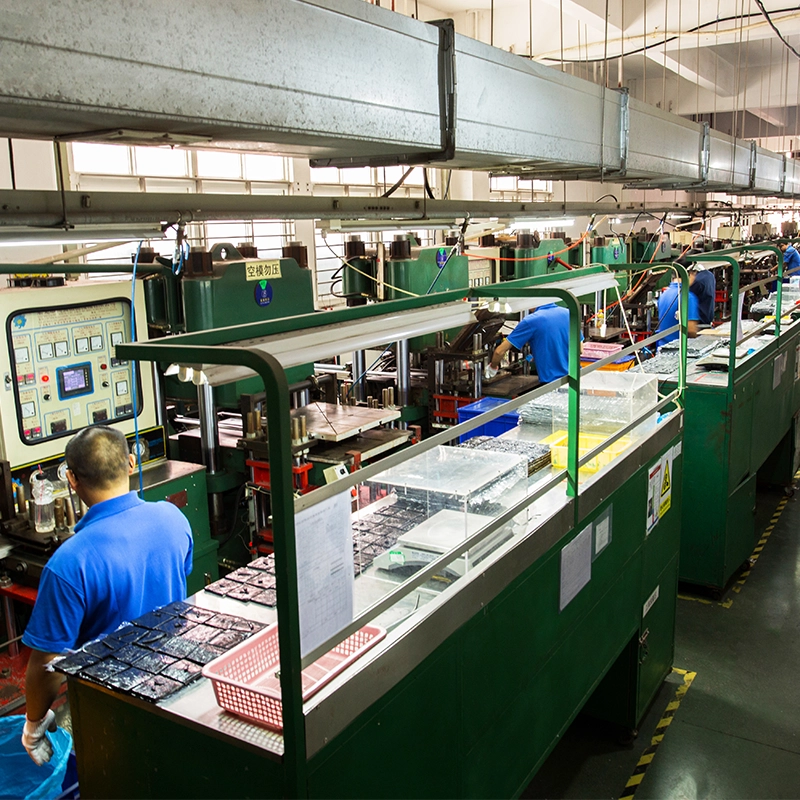
Neosilicone produces custom silicone ice cube trays using industry best practices to ensure safety, consistency, and scalability for OEM customers and suppliers.
Material compounding and certification
We start with certified platinum-cured food-grade LSR or high-grade HCR compounds. Pigments and additives are pre-qualified with full documentation and migration testing where required.
Mold design and tooling
Complex shapes use steel or aluminum molds machined to tight tolerances. Tooling is optimized for venting, fill balance, and demold logistics to prevent flash and ensure consistent wall thickness.
Injection or compression molding
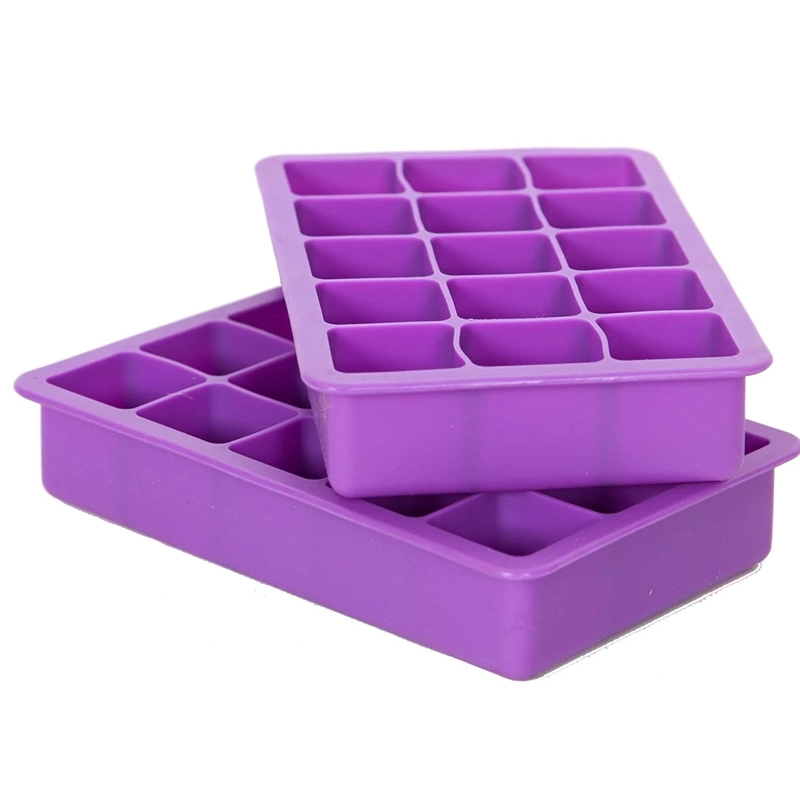
Liquid silicone injection molding (LSR) is preferred for complex, high-volume shapes with overmolding options. Compression molding serves thicker and simpler geometries at lower cost points.
Post-process finishing and QC
Trays are demolded, trimmed, washed, and inspected visually and dimensionally. Samples undergo extraction/migration testing, mechanical property checks (tensile, tear), and odor evaluations before release.
Cleaning Silicone Trays
Silicone trays are dishwasher safe and can be sanitized by boiling or steam. For manufacturing, we apply validated cleaning and drying processes to remove mold release and ensure food-contact readiness.
Cleaning Plastic Trays
Plastic trays require careful process controls to avoid residual odors. Some plastics may need milder wash cycles and must avoid high-temperature sterilization that causes deformation.
Conclusion
For B2B buyers—retailers, food-service suppliers, and private-label brands—the choice between plastic and silicone depends on product positioning and use case:
- Choose silicone when flexibility, temperature resilience, premium shapes, and multi-use consumer benefits are required. Silicone supports innovative design and premium positioning, and it aligns well with hospitality and culinary markets.
- Choose high-quality plastic (e.g., PP) for low-cost, stackable, and rigid trays intended for mass-market, cost-sensitive lines where basic cube function is the priority.
At Neosilicone, we offer full OEM service, end-to-end manufacturing, and coordinated supplier management to develop custom ice cube tray products that meet regulatory and market needs. From material selection and tooling to compliance testing and volume production, our one-stop service reduces supplier complexity and speeds time to shelf.
Interested in developing a custom ice cube tray? Contact Neosilicone today for samples, DFM review, and a tailored OEM quote. Let’s design a tray that fits your brand, production budget, and customer expectations.
 English