
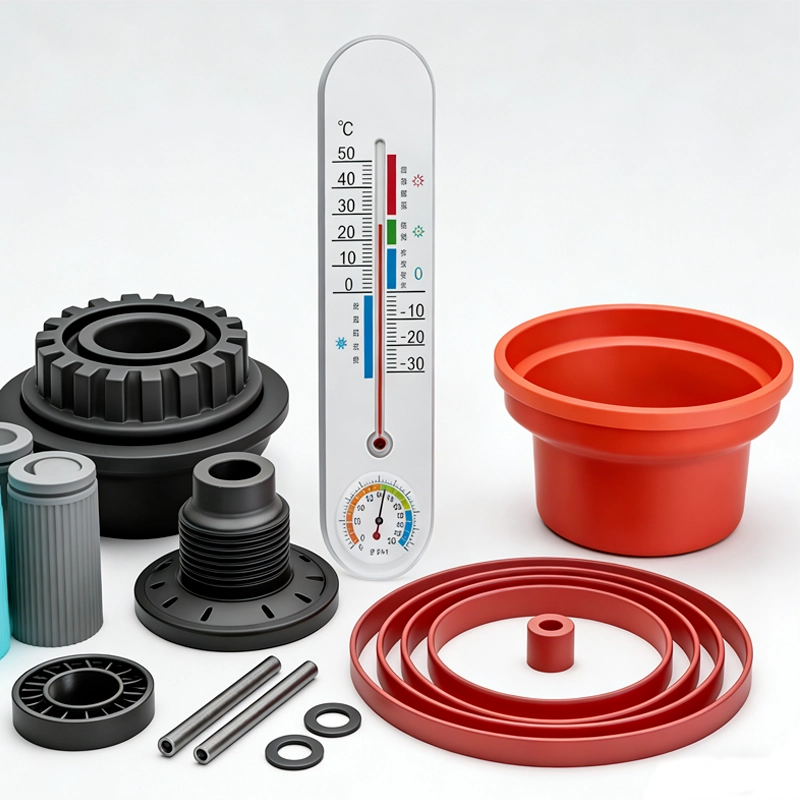
Silicone is widely regarded for its impressive performance under high-temperature conditions, but what makes it such an excellent heat-resistant material? This article explores the chemistry of silicone, its extreme temperature tolerance, the aging process under heat, and how it performs as a sealant in demanding environments.
1. The Chemistry of Silicone: Why It Withstands Heat
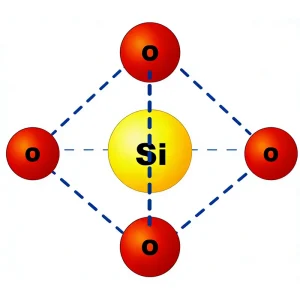
The secret behind silicone’s heat resistance lies in its unique molecular structure. Silicone is made up of repeating silicon-oxygen (Si-O) bonds, which form a highly stable, flexible framework. Unlike carbon-based polymers, the silicon-oxygen bond is much stronger and more resistant to heat. This structure doesn’t break down easily under thermal stress.
-
Silicon-Oxygen Bonds: These bonds are highly stable at high temperatures, which prevents the material from breaking down as quickly as other polymers.
-
Inorganic Composition: Silicone is an inorganic polymer, meaning it doesn’t contain carbon atoms that are more susceptible to degradation when exposed to heat.
This molecular makeup enables silicone to maintain its integrity in extreme temperature conditions, where other materials would soften, crack, or melt.
2. High-Temperature Testing: What Is Silicone’s Heat Limit?
Silicone is tested to determine the maximum temperatures it can endure before showing signs of damage. In laboratory conditions, silicone products can withstand continuous exposure to temperatures ranging from -100°F to 500°F, and in some cases, even higher for short periods.
-
Continuous Heat Resistance: Silicone can handle up to 500°F continuously without significant degradation.
-
Peak Heat Resistance: Some specialized silicones can withstand up to 600°F for short intervals.
These properties make silicone the ideal choice for industries requiring reliable heat resistance, such as automotive, aerospace, and consumer goods like baby care products or houseware.
3. Performance Under Extreme Heat: How Silicone Behaves in High-Temperature Conditions
When exposed to high temperatures, silicone doesn’t just resist heat—it retains its elasticity and flexibility, which is crucial in sealing applications. Unlike rubber or plastic, which can melt or harden when exposed to heat, silicone retains its functional properties even under extreme conditions.
-
Elasticity: Silicone’s flexibility doesn’t diminish in high heat, which helps it form effective seals.
-
No Brittleness: Even at high temperatures, silicone remains pliable, unlike rubber, which tends to crack.
-
Non-Melting: Silicone doesn’t soften or melt in high-heat environments, making it a superior sealant.
For example, silicone seals in automotive engines and appliances can maintain their shape and sealing function, even when exposed to engine heat or oven temperatures.

4. Aging Under High Temperature: Does Silicone Degrade Over Time?
No material is completely immune to aging, and silicone is no exception. However, silicone is remarkably resistant to thermal aging compared to other materials. Under prolonged exposure to heat, silicone undergoes a gradual process of depolymerization, where its molecular chains break down slowly. But this process takes much longer than with other polymers.
-
Slow Degradation: Silicone’s molecular structure allows for slow degradation even at high temperatures. Unlike plastics, which degrade quickly, silicone remains effective for years.
-
UV and Ozone Resistance: Besides heat, silicone also resists UV radiation and ozone exposure, both of which contribute to material aging.
This slow degradation is why silicone is widely used in baby care products, kitchenware, and industrial applications where longevity and performance are critical.
5. High-Temperature Applications: Where Silicone Truly Shines
Silicone is essential in environments where temperatures regularly exceed normal limits. Its high heat tolerance makes it indispensable in several industries:
-
Automotive Industry: Silicone is used for gaskets, seals, and hoses, which must withstand high engine temperatures and pressure.
-
Home Appliances: Silicone seals in ovens, dishwashers, and refrigerators are resistant to heat, maintaining their sealing properties despite constant exposure to high temperatures.
-
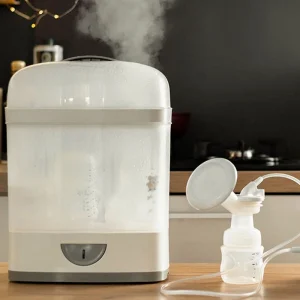
Baby Care: Silicone bottle nipples and pacifiers can be sterilized in boiling water without degradation, ensuring both safety and durability.
In these applications, silicone’s high temperature resistance ensures product longevity and reliability.
6. Silicone’s Heat Resistance in the Real World: Practical Examples
Let’s take a closer look at how silicone performs in real-world applications:
-
Baby Care Products: Silicone bottle nipples are exposed to boiling water during sterilization. Silicone’s heat resistance ensures they retain their shape and safety for repeated use.
-
Houseware: Silicone bakeware can withstand the heat of an oven without warping or cracking, ensuring it can be used over time without degradation.
-
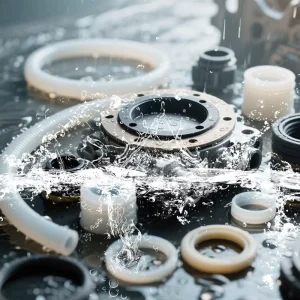
Industrial Machinery: Silicone seals in high-temperature industrial machinery ensure that parts remain sealed, preventing leaks and damage in systems that deal with extreme heat.
In all these cases, silicone stands out for its ability to resist heat without compromising functionality.
7. Why Silicone is the Best Choice for High-Temperature Sealants
Silicone’s combination of heat resistance, flexibility, and durability makes it an ideal material for sealing in high-temperature environments. Some of the standout benefits include:
-
Long-term Performance: Silicone maintains its sealing properties for many years without the need for frequent replacements.
-
Safe for Sensitive Applications: Whether in baby care or food-grade products, silicone is non-toxic and safe to use.
-
Temperature Versatility: Silicone performs well across a wide temperature range, from freezing to extremely high temperatures.
These characteristics make silicone the best choice for applications where heat is a constant factor.

8. SiliconePartner: High-Quality Silicone for Your High-Temperature Needs
At Neosilicone, we specialize in providing high-performance silicone products for a variety of industries, including baby care, houseware, and industrial applications. Our silicone products are engineered to perform under the most demanding conditions, offering unmatched heat resistance and long-lasting durability.
Whether you’re looking for silicone seals for appliances or need silicone-based solutions for high-temperature environments, we provide products designed to meet your needs.
Conclusion: Why Silicone is the Ultimate High-Temperature Sealant
Silicone’s remarkable heat resistance, chemical stability, and flexibility make it the ideal material for high-temperature applications. Its performance in extreme heat environments, coupled with its slow degradation process, ensures that silicone remains the go-to choice for sealing solutions in industries ranging from automotive to baby care and houseware. With SiliconePartner, you can count on high-quality, durable silicone products designed to withstand the toughest conditions.

 English