
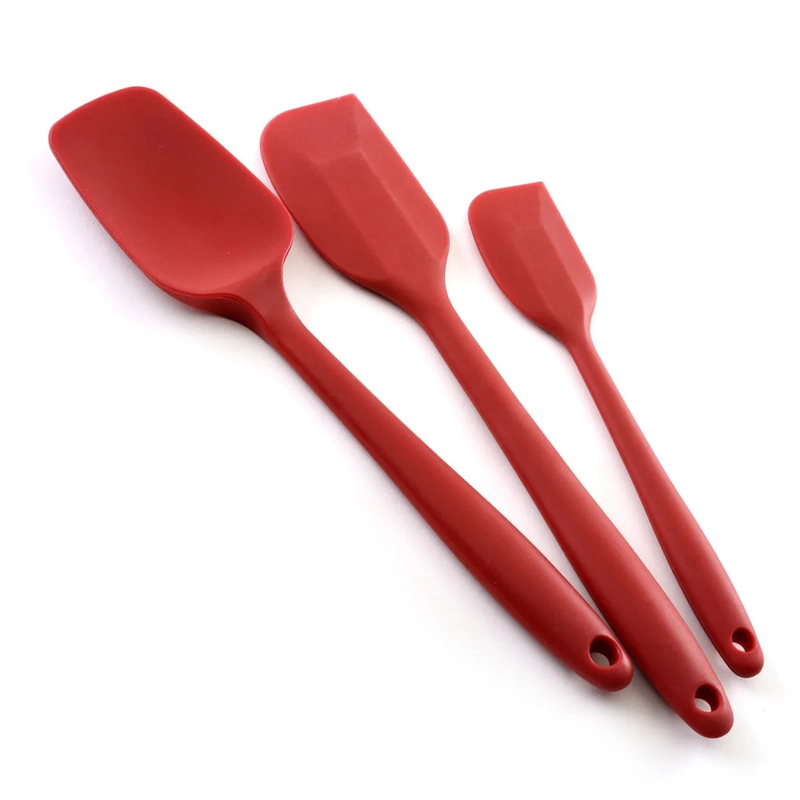
At Neosilicone, we design and manufacture a wide range of silicone spatulates for kitchens, cosmetics, laboratories, and industrial use. Below is a professional, product-development–focused guide for procurement teams, product managers, and OEM partners that explains the common spatula types, their key features, typical applications, and the manufacturing processes used to produce high-quality silicone spatulas at scale.
1. Kitchen Silicone Spatulas
Overview
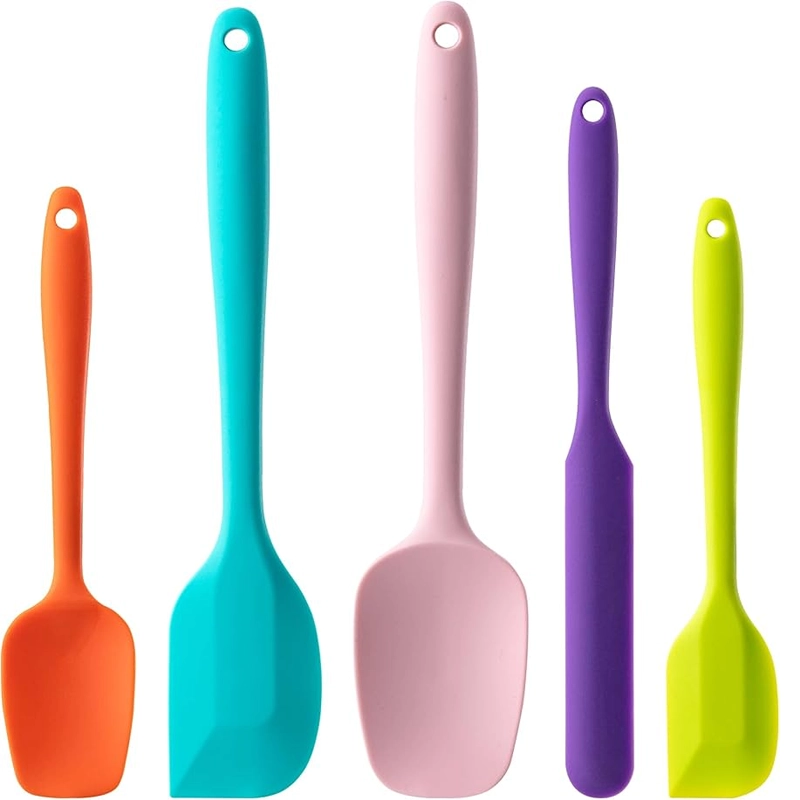
Kitchen silicone spatulas are the most common household variety. They combine heat resistance, flexibility, and food-safe surfaces to serve as stirring, scraping, folding, and spreading tools.
Key Features
- Food-grade silicone (FDA / EU food-contact compliant)
- Heat resistance (typically up to 200–260°C depending on compound)
- Flexible blade with a firmer core option for flipper-style spatulas
- Non-scratch contact for nonstick cookware
- Easy-to-clean, dishwasher-safe designs
Applications
Used in home kitchens, bakeries, restaurants, and as private-label retail items. These spatulas are often branded and require consistent color matching and durable legends.
Manufacturing Process
- Material selection — choose FDA/LFGB-grade silicone or LSR (liquid silicone rubber) for consistent quality.
- Tooling — CNC machined steel molds are produced for injection or compression molding.
- Molding — LSR injection molding is common for one-piece designs; compression molding or transfer molding is used for thicker or specialty parts.
- Overmolding (optional) — stainless steel cores or polypropylene handles can be overmolded with silicone to combine rigidity and soft touch.
- Post-processing — deflashing, trimming, washing, and thermal curing.
- Printing/finishing — pad printing, laser etching, or silicone-safe inks for logos and measurement marks.
- Quality control — visual, dimensional, and heat-resistance testing to meet supplier and retail specs.
2. Cosmetic Silicone Spatulas
Overview
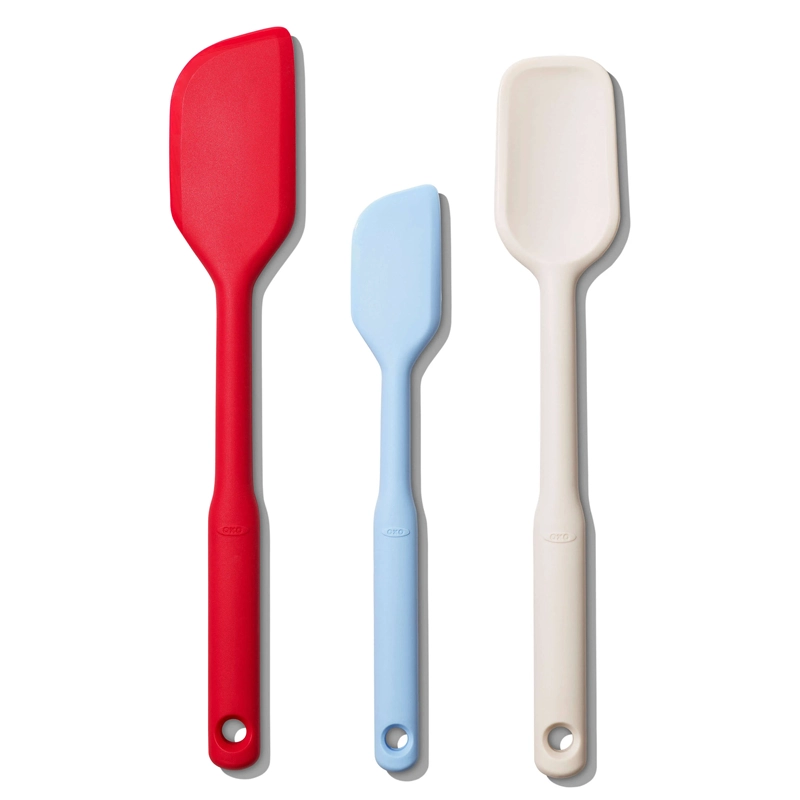
Cosmetic spatulas are used for creams, balms, and laboratory mixing—designed for hygienic dispensing and precise application.
Key Features
- Medical- or cosmetic-grade silicone with low extractables
- Smooth, non-porous surface to prevent contamination
- Small, precise geometries for controlled dosing
- Compatibility with sterilization methods (where required)
Applications
Personal care brands, beauty salons, R&D labs, and sample kits require these spatulas to be consistent in feel and free of contaminants.
Manufacturing Process
- Material formulation tailored for low leachables and cosmetic compliance.
- Precision molds with fine details to produce thin, flat blades.
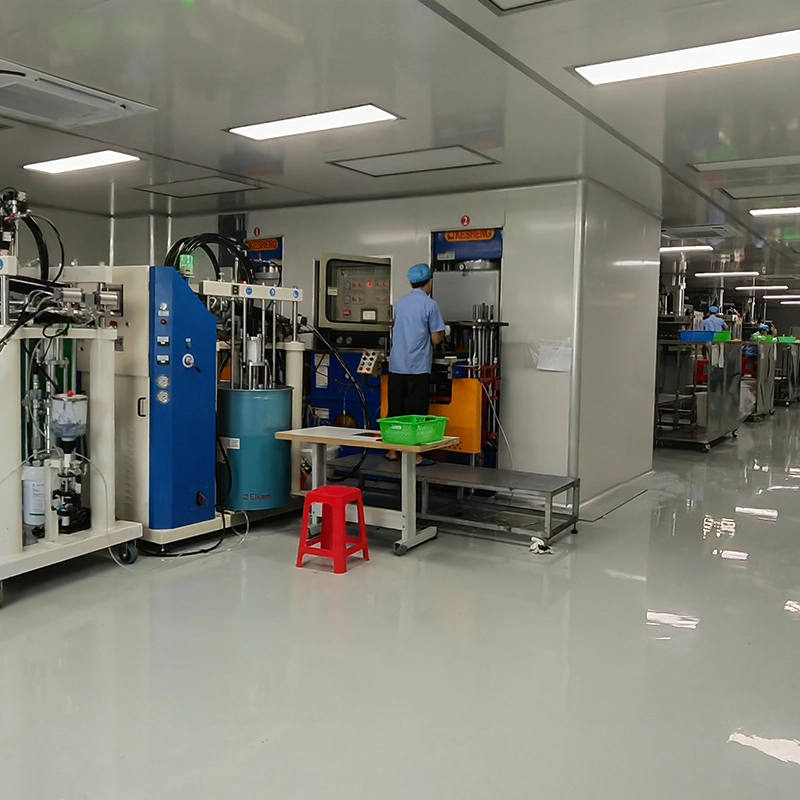
- Cleanroom molding (for higher hygiene requirements) and stricter post-mold washing/sterilization.
- Packaging in sterile or sanitary blister packs for retail or single-use kits.
3. Industrial Silicone Spatulas
Overview
Industrial spatulas are heavy-duty tools used for adhesives, lubricants, paint, and assembly processes. They prioritize mechanical strength and chemical resistance.
Key Features
- Thicker cross-sections and higher durometer silicones
- Chemical-resistant formulations (solvents, oils)
- Reinforced cores or metal inserts for leverage
- Custom lengths and ergonomic grips for repeated use
Applications
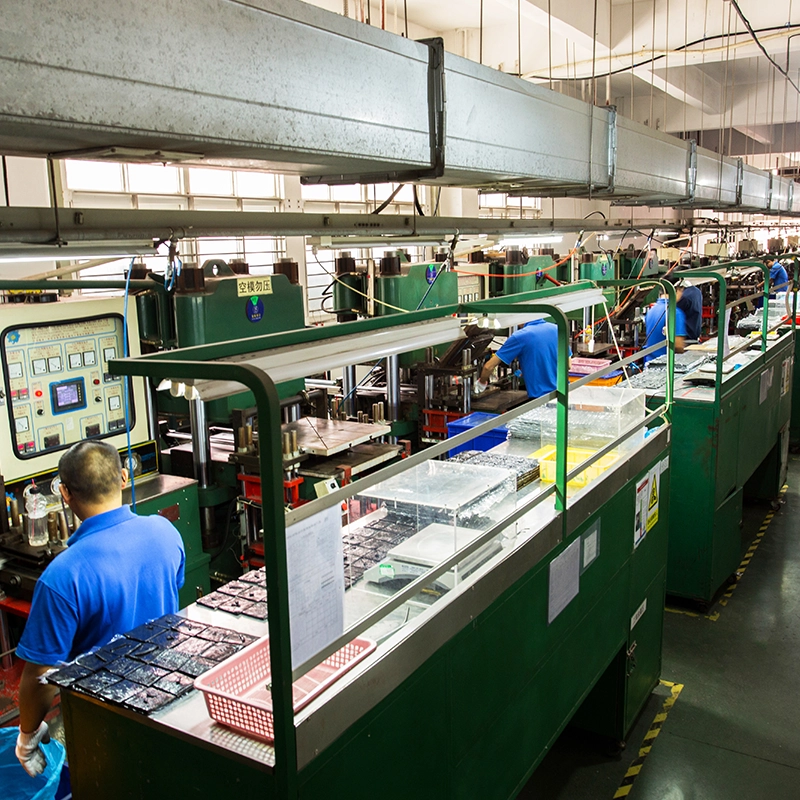
Manufacturing lines, maintenance kits, paint shops, and chemical processing where repeated mechanical action is required.
Manufacturing Process
- Compound selection focused on chemical compatibility and abrasion resistance.
- Hybrid construction with metal or rigid plastic cores overmolded by silicone for strength.
- Longer cure cycles and post-cure heat treatments to increase mechanical stability.
- Mechanical testing for fatigue, tear resistance, and solvent exposure.
4. Laboratory and Medical Silicone Spatulas
Overview
Lab and medical spatulas require the highest levels of material purity, traceability, and sterilization compatibility.
Key Features
- Medical-grade silicone (biocompatible, low extractables)
- Autoclavable designs or compatibility with chemical sterilants
- Smooth finishes to avoid residue retention
- Lot traceability and full material certification
Applications
Clinical labs, pharmaceutical R&D, point-of-care devices, and sample handling.
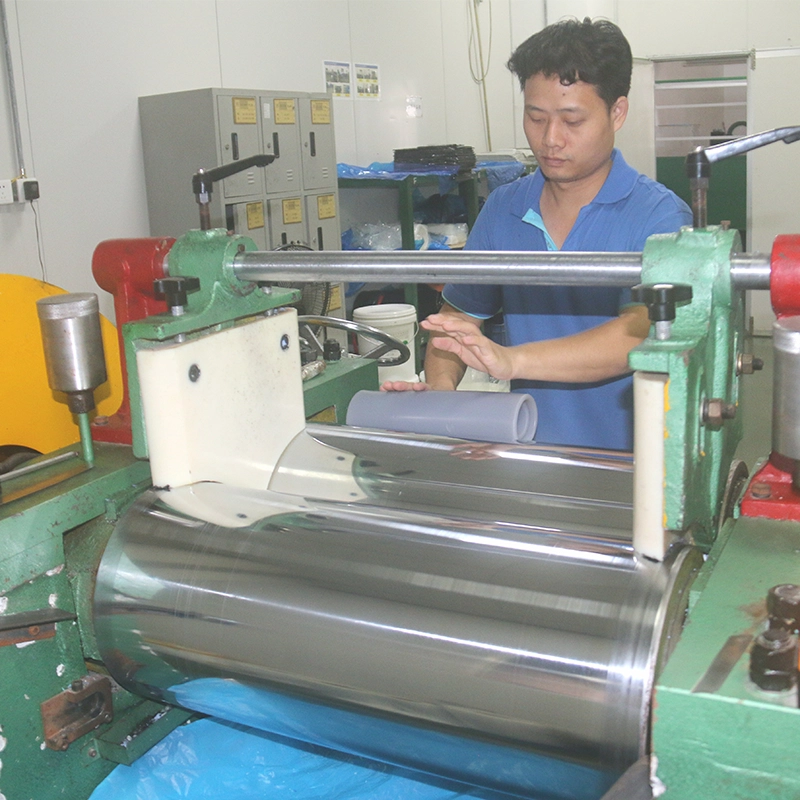
Manufacturing Process
- Strict supply-chain control for raw materials and certificates (e.g., USP Class VI where relevant).
- Controlled molding environments (cleanroom or ISO-rated areas).
- Validated sterilization protocols (autoclave testing, EO compatibility).
- Comprehensive QC including extractables/leachables testing and microbial cleanliness checks.
Conclusion
Silicone spatulas span a broad spectrum from everyday kitchen tools to precision medical instruments. Across all categories, high-quality production hinges on correct material selection, precision tooling, and validated manufacturing processes. Whether you need retail kitchen tools, cosmetic applicators, heavy-duty industrial spatulates, or sterile lab implements, working with an experienced manufacturer ensures compliance, repeatability, and consistent performance.
At Neosilicone we offer full OEM service and custom silicone spatulates tailored to your product requirements. Our capabilities include LSR injection molding, overmolding, precision tooling, printing/branding, and rigorous quality assurance to meet global supplier standards.
If you’re sourcing spatulas at scale or developing a new product line, tell us your target volumes, required certifications, and functional specs and we’ll provide design feedback, tooling options, and a quotation. Want samples or a DFM review? Contact our team today — we’re ready to help you build high-quality spatulas that meet your market needs.
 English