
Introduction:
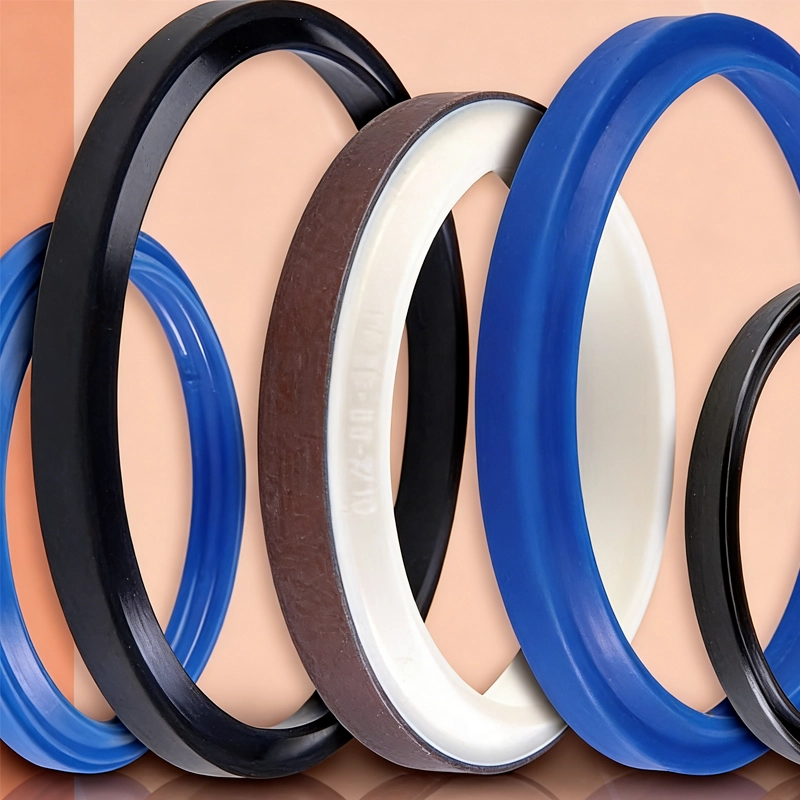
Wiper seals are the unsung heroes of many machines and systems, keeping dirt, dust, and debris at bay while ensuring the smooth operation of critical components. But, just like Goldilocks and her three bears, wiper seals come in many different sizes, each designed to fit a specific application. The wrong size can lead to performance issues, leaks, or even premature wear. So, what are the different wiper seal sizes, and how do you choose the right one for your application?
We’ll dive into the world of wiper seal sizes, with a mix of technical detail and a dash of humor. We’ll also talk about how our factory, Neosilicone, has been tackling wiper seal challenges for years, ensuring that our customers get the right fit every time.
What Are Wiper Seals?
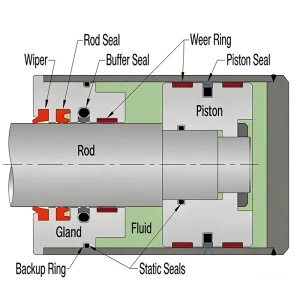
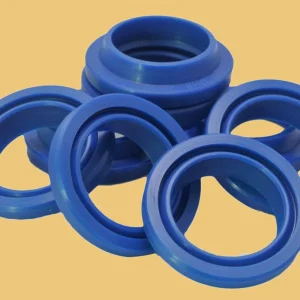
Before we dive into sizes, let’s take a moment to appreciate what wiper seals actually do. These seals are critical components used in hydraulic cylinders, pneumatic systems, and a variety of industrial machinery. Their primary job is to wipe away dirt and moisture from the rod or piston while preventing contaminants from entering the system. In other words, they keep things clean and working smoothly, like the unsung heroes of the sealing world.
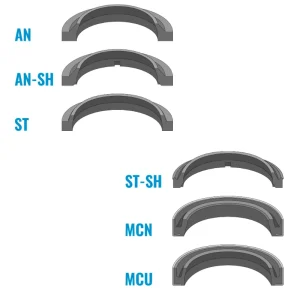
The production of wiper seals involves advanced techniques like liquid silicone injection molding and extrusion, using high-quality materials to ensure a tight fit and durability.Now, the size of a wiper seal isn’t one-size-fits-all. The right size will depend on the system it’s meant to protect, the materials involved, and even the type of movement the machinery undergoes.So, let’s break down the different wiper seal sizes you’ll likely encounter.
Standard Wiper Seal Sizes:
-
Small Wiper Seals
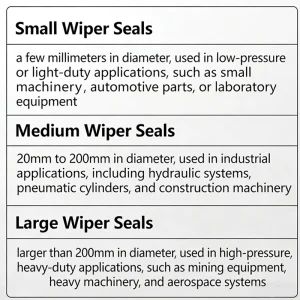
Small wiper seals are commonly used in systems with low-pressure or light-duty applications, such as in small machinery, automotive parts, or laboratory equipment. These seals typically range from a few millimeters in diameter and are often chosen for their ability to handle relatively simple or small-scale motions. While they’re small in size, don’t let their dimensions fool you—they’re still expected to work hard and keep contaminants at bay! -
Medium Wiper Seals
The most common size range, medium wiper seals, are used in a wide variety of industrial applications, including hydraulic systems, pneumatic cylinders, and construction machinery. They range from 20mm to 200mm in diameter and are designed to handle moderate pressures and typical environmental conditions. With their versatility, medium wiper seals are the go-to for everything from factory automation to agricultural equipment. -
Large Wiper Seals
Large wiper seals are a must-have in high-pressure, heavy-duty applications, such as mining equipment, heavy machinery, and aerospace systems. These seals are usually larger than 200mm in diameter and are built to withstand extreme conditions. They are thick, durable, and designed to handle the weight of heavy machinery, ensuring that contaminants don’t compromise the system’s functionality. Think of them as the bodyguards of the sealing world.
How Do You Choose the Right Wiper Seal Size?
Choosing the correct wiper seal size isn’t just about picking the largest one you can find. It’s about understanding the application and selecting the seal that can handle the pressure, temperature, and environmental factors involved. Here’s what you should keep in mind:
-
Rod or Piston Diameter: The size of the rod or piston is a key factor in determining the correct wiper seal size. If the seal is too tight, it can create too much friction, leading to premature wear. If it’s too loose, it can let contaminants in, which defeats the purpose of the wiper seal. Proper fitment is crucial!
-
Pressure and Environment: If your equipment is exposed to extreme temperatures or high-pressure conditions, you’ll need to choose a wiper seal made from materials that can withstand those conditions. Rubber and silicone are common materials for wiper seals, but the specific compound and hardness can vary depending on the environment.
-
Movement Type: If the system involves continuous or fast movement, you’ll need a wiper seal that can keep up without wearing down too quickly. The size should also correspond to the speed at which the components move to avoid friction or excess heat buildup.
-
Material Compatibility: The material of the wiper seal is just as important as its size. It needs to be compatible with the system’s fluid, temperature, and overall working conditions. Materials like polyurethane, rubber, and silicone are common choices. Neosilicone, for example, uses high-quality silicone to ensure that our wiper seals stand the test of time, even in the most demanding environments.
Why Neosilicone?
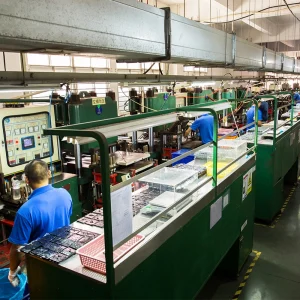
At Neosilicone, we understand the importance of getting the right fit for your wiper seals. Our factory specializes in manufacturing custom sizes, tailored to the unique demands of each application. Whether you need small, medium, or large wiper seals, we’ve got you covered. We also provide a range of material options to ensure that the seals perform well in both standard and extreme conditions.
For years, we’ve been helping clients across industries—from automotive and aerospace to construction and agriculture—find the perfect seal for their machinery. Our attention to detail and commitment to quality make us a trusted partner for sealing solutions. And our wiper seals? Well, let’s just say they get the job done every time.
Conclusion:
Wiper seals are crucial components in maintaining the performance and longevity of your machinery, and choosing the right size is essential for optimal function. From small, lightweight systems to heavy-duty, high-pressure applications, there’s a wiper seal size that fits the bill. When in doubt, it’s always best to consult with experts in the field, like the team at Neosilicone, to ensure you’re getting the right size, material, and fit for your needs.
 English