
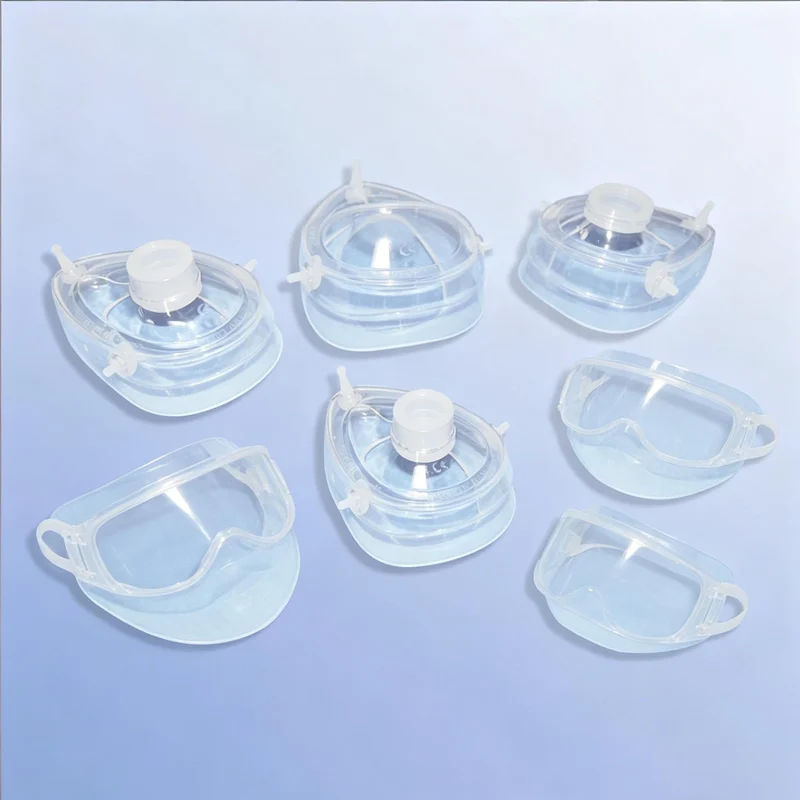
With advancements in medical technology, silicone masks have gained widespread use across various medical fields, offering comfort, durability, and biocompatibility. Whether for anesthesia, respiratory therapy, or CPAP treatment, silicone materials are ideal due to their non-toxic and non-irritating properties, making them essential in mask production.
This article will delve into the different types of medical silicone masks, explaining their unique features and how to choose the most suitable mask for various medical conditions.
1. Characteristics and Benefits of Medical Silicone Masks
1.1 Exceptional Comfort and Flexibility
Medical silicone is known for its excellent softness and elasticity, which allows it to perfectly conform to the face without causing discomfort or leaving marks, even with prolonged use. This makes it ideal for masks used in anesthesia, respiratory therapy, and long-term wear.
1.2 Safety and Non-toxicity
Made from medical-grade or food-grade silicone, these masks meet international medical safety standards (e.g., FDA certification). The materials are non-toxic, non-irritating, and safe for long-term contact with the skin, ensuring patient health and comfort.
1.3 Antibacterial and Durability
Silicone naturally possesses antibacterial properties, preventing bacterial growth. Additionally, silicone’s durability allows it to withstand repeated sterilization without warping, significantly extending the lifespan of the mask.
1.4 High-Temperature and Chemical Resistance
Silicone masks can endure high-temperature sterilization without releasing harmful substances, making them ideal for use in environments where hygiene and safety are paramount.
2. Types of Medical Silicone Masks for Different Conditions
2.1 Obstructive Sleep Apnea (OSA) — CPAP Masks
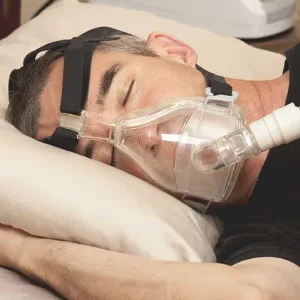
CPAP masks are used to treat obstructive sleep apnea (OSA) by delivering continuous positive airflow to keep the airways open and prevent nighttime breathing interruptions. CPAP therapy is a common treatment for OSA patients, effectively reducing the frequency of breathing pauses during sleep and improving sleep quality.
Common Types:
- Nasal CPAP Masks: These masks cover the nose and are suitable for patients who breathe primarily through their nose. The airflow pressure is more concentrated to keep the airway clear.
- Full-Face CPAP Masks: Ideal for patients who breathe through both the nose and mouth, providing a more comprehensive seal to prevent air leakage.
- Nasal Pillow CPAP Masks: A smaller, lighter mask that fits gently over the nose. It’s a good option for patients who feel uncomfortable with larger masks or for those who prefer a less intrusive design.
Key Considerations:
- Fit and Comfort: It’s crucial to choose a mask that matches the patient’s face shape. Nasal masks are best for patients with clear nasal passages, while full-face masks are better for those who breathe through both the nose and mouth during sleep.
- Seal: Ensure that the mask fits snugly to avoid air leakage, which could compromise the effectiveness of the therapy.
2.2 Chronic Obstructive Pulmonary Disease (COPD) — BIPAP Masks
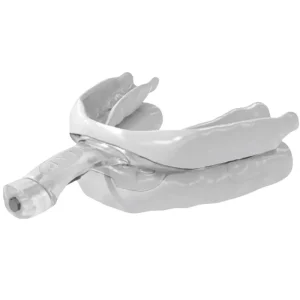
BIPAP masks are used for COPD patients, particularly those who need additional breathing support while resting or sleeping. BIPAP therapy provides two levels of airflow pressure—high pressure during inhalation and low pressure during exhalation—to help reduce the strain on the lungs and improve ventilation efficiency.
Common Types:
- Nasal CPAP Masks: These are designed for patients who primarily breathe through their nose. They deliver airflow through the nose and are ideal for patients who are not comfortable with full-face masks.
- Full-Face BIPAP Masks: Suitable for patients who breathe through both their nose and mouth, providing comprehensive airflow support and ensuring comfort and stability during therapy.
- Nasal Pillow BIPAP Masks: These masks are smaller and more compact, offering lower pressure for those who find larger masks uncomfortable or prefer a less obtrusive option.
Key Considerations:
- Airflow Stability: BIPAP masks must provide stable and continuous airflow. Choose a mask with a strong seal to prevent air leaks, which can hinder the treatment.
- Comfort: Since BIPAP masks are often worn for long periods, comfort and adaptability are crucial, especially for long-term COPD patients.
2.3 Acute Respiratory Failure — Ventilator Masks
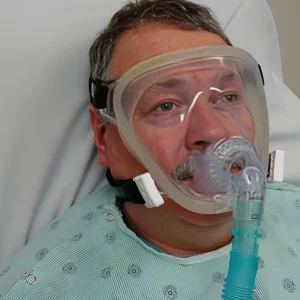
Ventilator masks are designed for patients with acute respiratory failure, which can be caused by infections, trauma, or severe illness. These masks provide high-flow airflow and pressure support to help restore normal breathing.
Common Types:
- Full-Face Ventilator Masks: These masks cover the entire face and are used for patients who need significant airflow support. They are commonly used in emergency situations for acute respiratory failure.
- Nasal Ventilator Masks: A smaller design, suitable for patients who only require lower levels of airflow or are more stable.
- Helmet Respirators: A unique design, ideal for patients needing high airflow support but who cannot tolerate full-face masks.
Key Considerations:
- Seal Integrity: The seal of the mask is vital, especially when delivering high-flow airflow. Any leaks can cause the treatment to fail.
- Patient Adaptability: Ensure the mask fits the patient’s face properly, as ill-fitting masks can lead to discomfort and ineffective therapy.
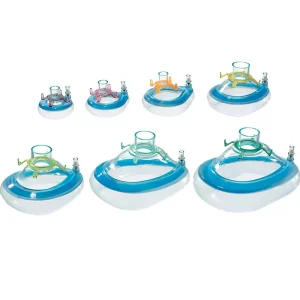
2.4 Anesthesia and Post-Surgery Recovery — Anesthesia Masks
Anesthesia masks are used during surgery to deliver anesthetic gases and ensure that patients remain unconscious throughout the procedure. These masks are designed for a tight seal to prevent air leakage and to deliver the drug effectively.
Common Types:
- Facial Anesthesia Masks: Smaller masks that cover just the nose and mouth, used for general anesthesia.
- Hood Anesthesia Masks: These are designed for long-duration surgeries, covering the entire face and neck, ensuring an airtight seal and consistent drug delivery.
- Transparent Anesthesia Masks: Made from transparent materials, allowing doctors to monitor the patient’s facial condition during surgery.
Key Considerations:
- Seal and Comfort: The mask needs to provide a secure seal to prevent drug leakage while ensuring the patient remains comfortable during the procedure.
- High-Temperature Resistance: Since anesthesia masks must be sterilized at high temperatures, the material should have excellent heat and chemical resistance.
2.5 Oxygen Therapy — Oxygen Masks
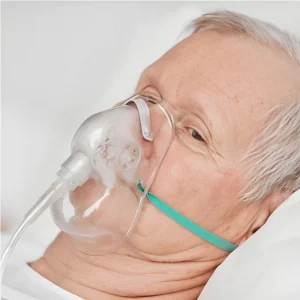
Oxygen masks provide oxygen support to patients with acute or chronic respiratory issues, such as COPD, pneumonia, heart disease, or post-surgery recovery. They supply a continuous flow of oxygen to help maintain healthy blood oxygen levels.
Common Types:
- Nasal Oxygen Masks: These small masks deliver oxygen through two small tubes placed in the patient’s nostrils. Ideal for patients who need minimal oxygen support, typically used for COPD management.
- Full-Face Oxygen Masks: These masks cover the entire face, providing higher oxygen flow and ensuring a steady supply of oxygen, especially for patients who require more intensive support.
- Portable Oxygen Masks: Compact designs that are ideal for patients on the go, offering convenience and mobility during treatment.
Key Considerations:
- Fit and Comfort: Select a mask based on the patient’s breathing style (nose or mouth). Nasal masks are great for stable patients, while full-face masks are better for those needing more oxygen.
- Seal and Stability: The mask’s sealing ability is critical to the therapy’s success. Ensure the mask stays in place without loosening or leaking oxygen.
3. How to Choose the Right Medical Silicone Mask for Different Conditions
3.1 Sealing and Comfort
The sealing requirements vary depending on the condition being treated. For CPAP and BIPAP masks, strong air-tightness is essential, while anesthesia masks prioritize comfort and fit. Choose a mask based on the specific needs of the condition to ensure comfort and no leakage.
3.2 Individual Patient Differences
The shape of the patient’s face plays a crucial role in mask fitting. When selecting a mask, ensure that it fits snugly against the face to minimize air leakage while providing maximum comfort.
3.3 Treatment Requirements
- Long-term Use (OSA, COPD): Opt for masks that are comfortable and suitable for extended wear.
- Acute Treatment (Acute Respiratory Failure): Choose masks that provide strong sealing and high-pressure support.
- Anesthesia or Surgery: Select simple-to-operate anesthesia masks with easy sterilization features.
Conclusion
Medical silicone masks are crucial tools for treating various conditions, and their design and selection directly impact both the treatment outcomes and patient comfort. Choosing the appropriate mask based on the condition and individual patient needs is essential for ensuring effective treatment and improving the patient experience. We hope this professional insight helps you select the best medical silicone mask for your needs, ensuring safety and effectiveness throughout the treatment process.
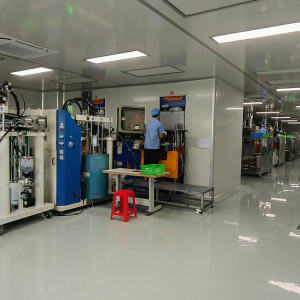
At siliconepartner, we provide high-quality silicone masks tailored to specific medical needs, offering solutions that ensure comfort, safety, and durability.
 English