
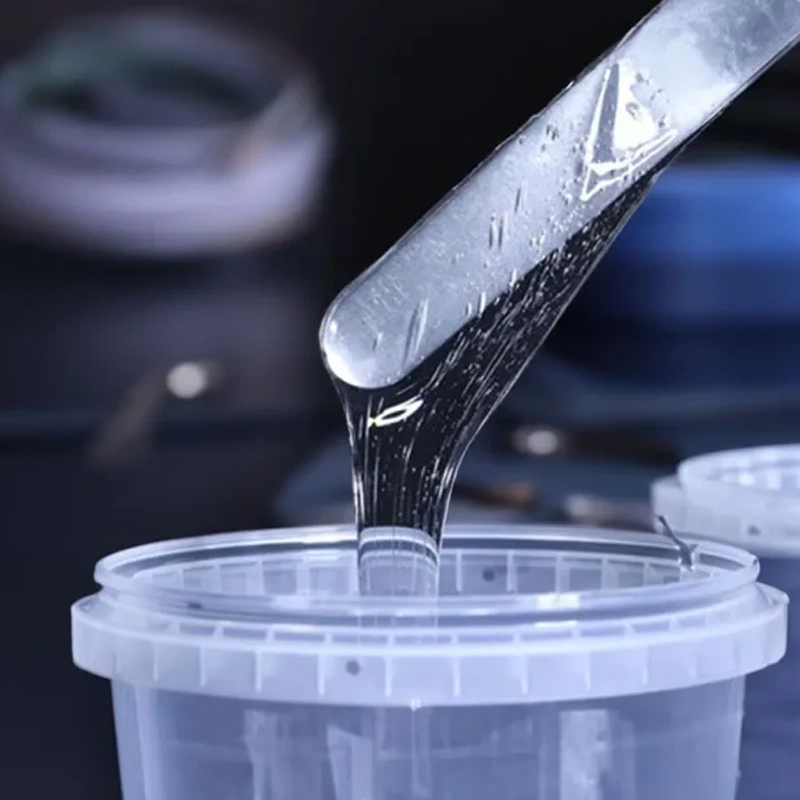
Are you evaluating materials and processes for a new one-way valve and wondering whether liquid silicone is worth the extra tooling investment? At Neosilicone, we get that question every day from OEM engineers and product managers. Below I’ll explain — from a manufacturer’s perspective — what an umbrella check valve (aka mushroom valve) is, why silicone umbrella valves are so widely specified, and precisely why silicone rubber injection molding (LSR injection) is usually the best route for high-performance, repeatable production. If you want, read through and then send your part prints — we’ll run a quick manufacturability check and recommend the optimal process for your volumes and specs.
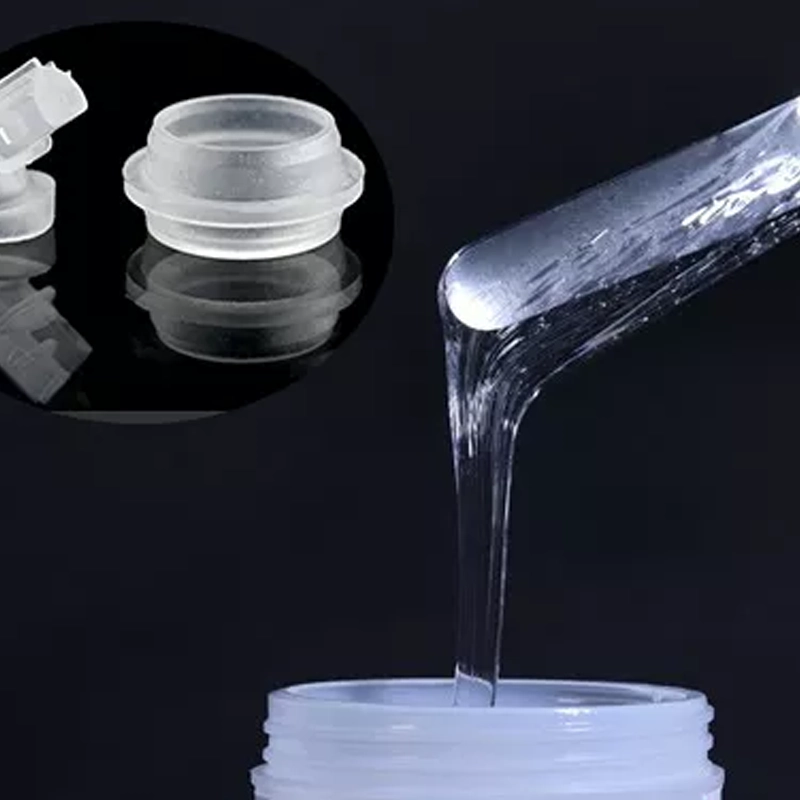
What is an umbrella check valve and why silicone?
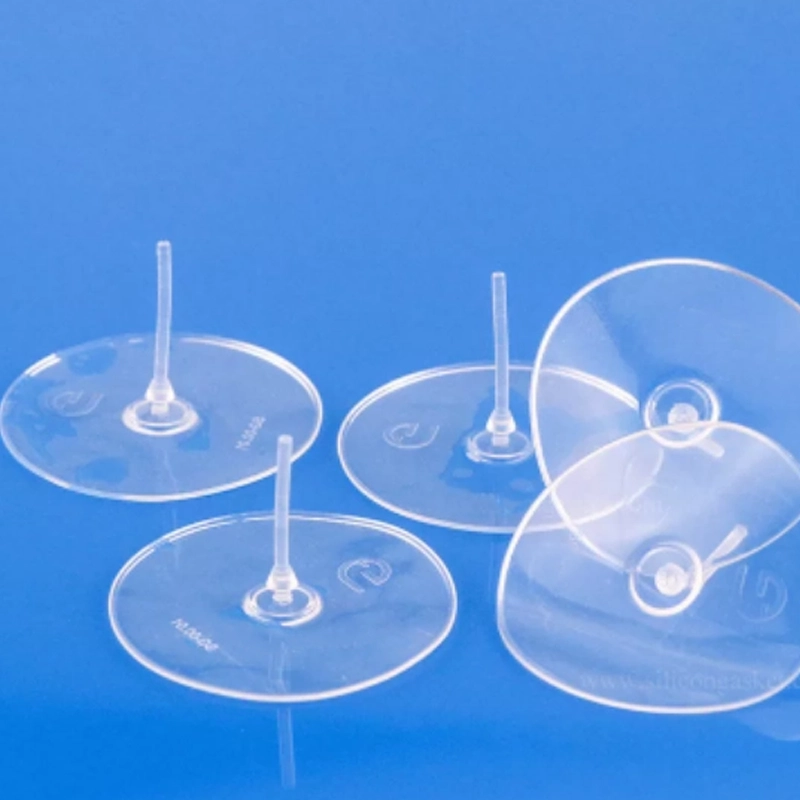
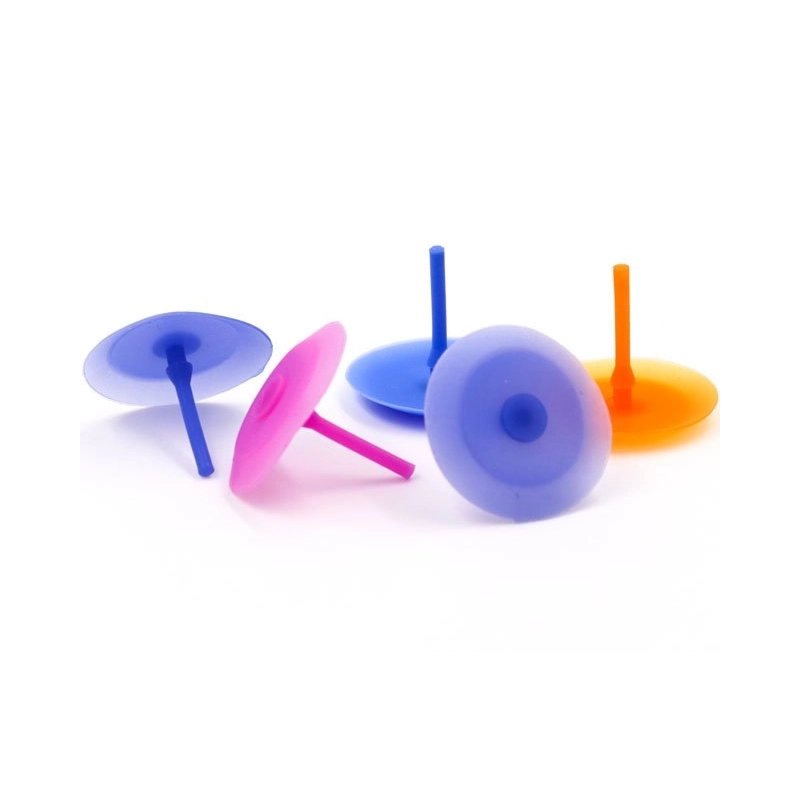
An umbrella check valve is a passive, normally-closed one-way valve whose sealing element resembles an umbrella or mushroom. A thin elastomeric diaphragm (the “skirt”) lifts under forward pressure, allowing flow, and reseats to prevent reverse flow. Because the elastomer itself provides both the seal and the restoring force, umbrella valves are exceptionally compact, quiet, and maintenance-free — ideal for medical devices, micro-pumps, fuel tank vents, and consumer dispensers.
Silicone — especially medical- or food-grade liquid silicone rubber (LSR / VMQ) — is the material of choice when you need:
- Wide temperature tolerance and stable mechanical properties.
- Excellent elastic recovery and fatigue resistance (important for valves that cycle millions of times).
- Biocompatibility and sterilization compatibility for medical applications (many LSR grades pass USP Class VI and ISO 10993 testing).
- Clean, odorless parts that don’t stain or corrode mating substrates.
Why LSR (liquid silicone) outperforms solid/HTV silicone for umbrella valves
You can mold silicone many ways. Historically, solid (HTV) silicone has been compression- or transfer-molded. Liquid Silicone Rubber (LSR) brings processing and performance advantages that directly translate to better umbrella valve behavior:
- Tighter dimensional control — LSR injection delivers consistent skirt thickness and slit geometry, which produces predictable cracking pressure and reseat behavior.
- Superior surface finish — smoother sealing surfaces reduce leakage paths.
- Platinum-cured chemistry — LSR uses platinum cures that generate fewer extractables and lower odor versus peroxide-cured HTV; critical for medical and food contact devices.
- Better automation & less manual handling — automated metering and injection reduce human variability, improving lot-to-lot consistency.
- Faster cycle times and higher throughput — LSR cures quickly under heat, enabling high-volume runs with multi-cavity tooling.
Practically, an umbrella valve compression-molded from solid silicone may deform after repeated compression or packaging; the same geometry molded from LSR typically returns to spec because material properties and processing minimize internal stresses and give better elastic recovery.
Two LSR molding routes: Injection vs Transfer — practical comparison
Below is a concise comparison of Liquid Silicone Injection Molding and Liquid Silicone Transfer Molding (LSTM) to help you choose based on part complexity, volume, lead time and cost.
| Factor | Liquid Silicone Injection Molding (LSR Injection) | Liquid Silicone Transfer Molding (LSTM) |
|---|---|---|
| Automation | Very high — automated metering and injection | Moderate — can automate using converted compression presses |
| Precision & Dimensional Control | Highest precision; excellent for thin skirts and slits | High precision but slightly lower than injection |
| Curing / Cycle Time | Shortest — fastest throughput | Short; faster than HTV but slightly slower than injection |
| Mold cavitation / volume | Limited cavities per mold (complex hot-runner tooling) | Easier to build many cavities; better for very high volumes |
| Tooling lead time | Longer (complex hot-runner tooling) | Shorter (uses compression-style tooling) |
| Tooling cost | Higher initial cost | Lower initial cost |
| Best for | Tight tolerances, overmolding, critical medical parts | Rapid ramp, mid-to-high volumes where tooling cost matters |
| Overmolding capability | Excellent — optimized for overmolding onto plastics/metal | Good — overmolding possible with careful design |

Design and material tips for robust umbrella valves
When specifying an umbrella check valve, engineers should control a few key variables to guarantee performance:
- Skirt thickness & taper: Thinner skirts lower cracking pressure but are prone to damage; tapered sections can control flow curve. Set target cracking pressure with tolerance bands.
- Durometer selection: Typical valve durometers for umbrella skirts range 30–70 Shore A depending on desired sensitivity and media. Medical breathing valves tend to be softer; fuel vents need stiffer or fuel-resistant grades.
- Seat geometry and finish: A complementary seat with a controlled surface finish assures repeatable sealing. LSR can achieve very fine surface polish, reducing micro-leakage.
- Edge preload: Small preloading on the lip improves leak tightness without overly raising cracking pressure.
- Material grade: For medical/food, select platinum-cured LSR with documented CoA and USP/ISO reports. For fuel/chemical service, consider FVMQ or FKM based on compatibility.
- Overmolding: If you plan to bond a valve into a plastic housing, design for insert placement and thermal expansion. LSR overmolds extremely well to many engineering plastics when processed properly.
Manufacturing considerations and quality controls
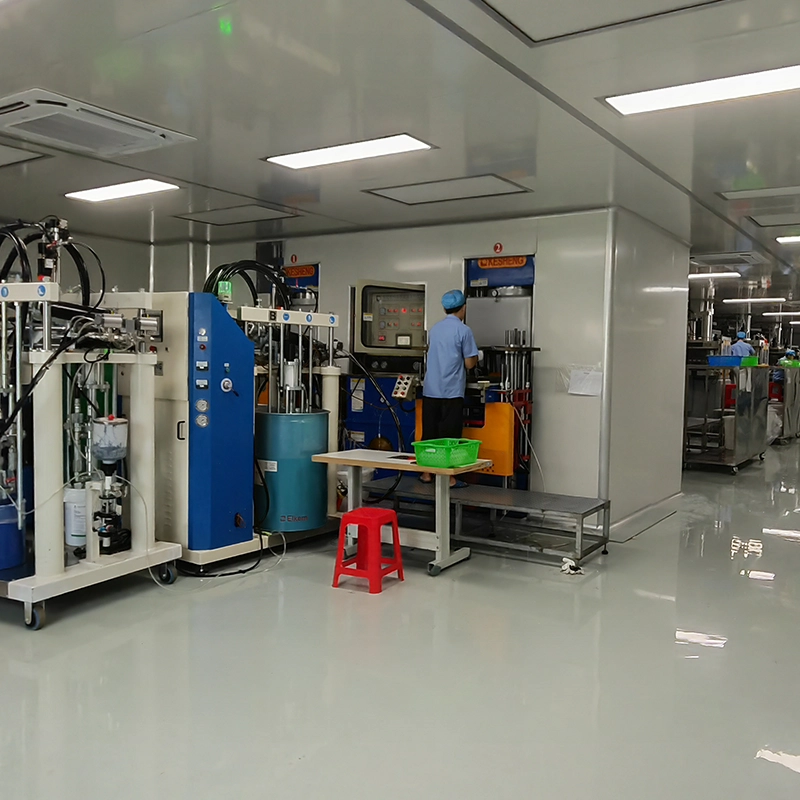
At Neosilicone we emphasize the following production and QC practices for umbrella check valves:
- Optimized gating and runner design to avoid knit lines or weak spots on the skirt.
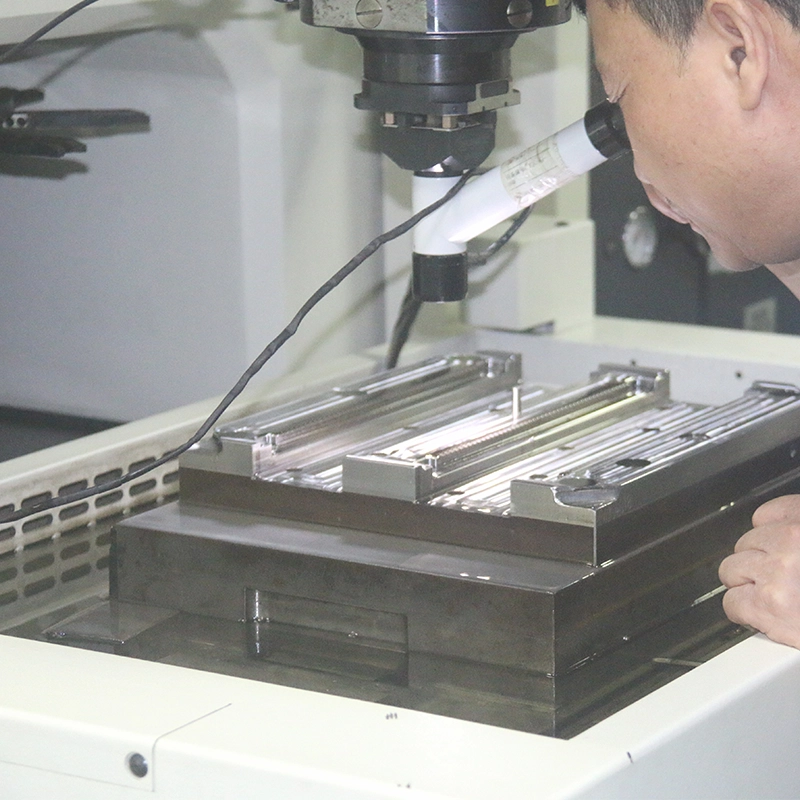
- AOI and dimensional inspection on slit geometry; even micron-level variations change cracking pressure.
- Cracking pressure characterization: measure opening & reseat pressures across statistically meaningful sample sizes and issue histograms with each run.
- Functional leak testing: static backpressure, dynamic pulsation, and lifecycle cycling to validate long-term sealing.
- Post-cure and extractables control: post-cure schedules to stabilize mechanical properties and minimize extractables for medical parts.
- Traceability: material lot numbers, CoAs, and process logs are retained for each production batch.
Applications: where silicone umbrella valves excel
- Medical: expiratory/inspiratory patient valves, single-use resuscitators, anesthesia circuits — sterile, low-dead-volume, low cracking pressure essential.
- Automotive: vent valves, evaporative emission controls and small pump check valves when compatible elastomers are used.
- Consumer: condiment dispensing (custom silicone ketchup valves), coffee machine pressure reliefs, and small appliance vents.
- Industrial instrumentation: micro-pumps, pneumatic manifolds, and any application requiring silent, low-pressure one-way flow.
Common failure modes — and how to avoid them
- Permanent deformation after packaging: avoid excessive compression in shipping; LSR parts resist this better than HTV.
- Micro-leakage from poor slit finish: polish molds and control molding parameters to eliminate flash and roughness.
- Cracking pressure drift: tighten process control and use consistent material lots; provide acceptable tolerances in the spec.
- Chemical swelling: select compatible material (FVMQ/FKM for hydrocarbons) and validate with soak tests.
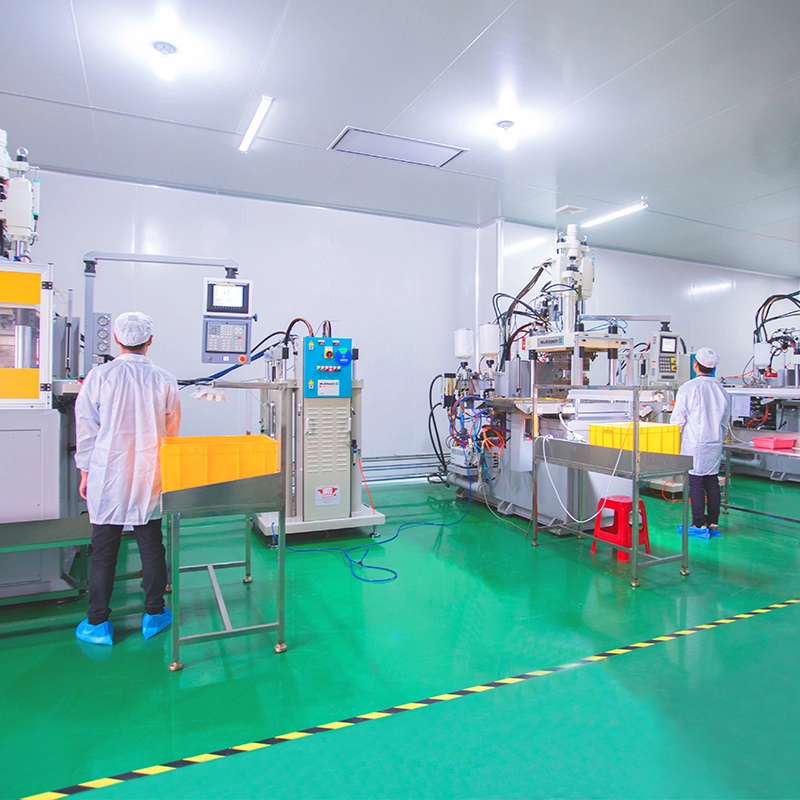
If you’re designing or sourcing umbrella check valves, choosing the right material and molding route is decisive: silicone umbrella valves manufactured via silicone rubber injection molding (LSR injection) give the best combination of precision, consistency, and biocompatibility for demanding OEM applications. At Neosilicone, we offer DFM reviews, prototype runs, molding in cleanroom conditions, and full production testing — all tailored to your performance targets.
Interested in a manufacturability review or sample set? Send us your 3D file or spec sheet and our engineering team will respond with process recommendations and a preliminary quote. Let’s make sure your umbrella check valve works the first time — and every time.
 English