
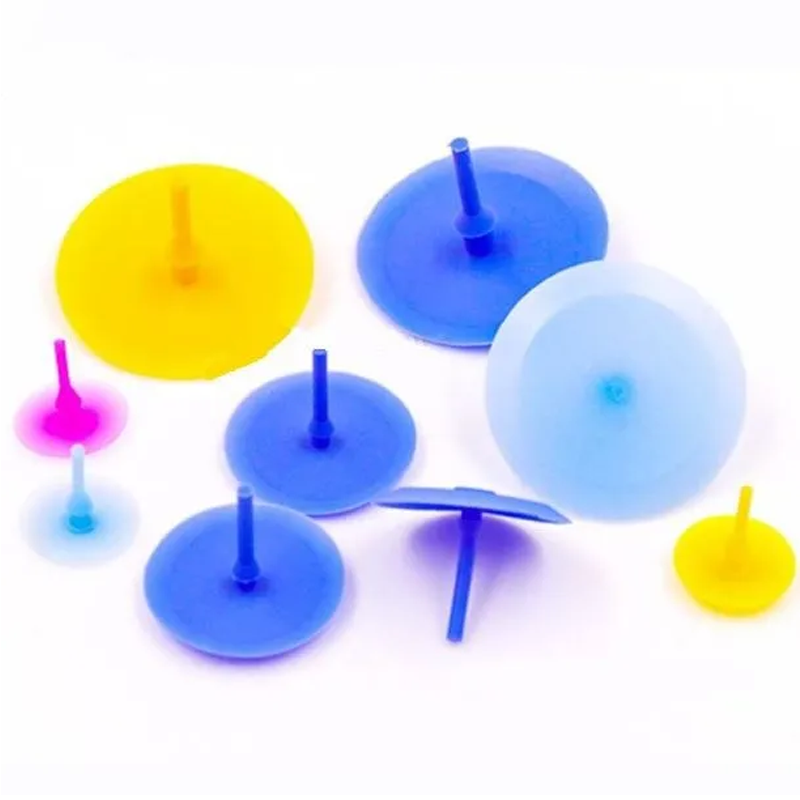
In fluid control systems, maintaining proper flow direction and preventing backflow is critical for system efficiency and reliability. Both umbrella check valves and conventional check valves serve this purpose, but they function in distinctly different ways. Understanding the structural and performance differences between these two types of valves can help engineers, product designers, and procurement professionals choose the best option for their specific applications.
At Neosilicone, we specialize in manufacturing high-quality silicone rubber injection molding components, including umbrella check valves and other one-way silicone valves. Whether you’re in the medical, automotive, or industrial sector, we provide custom-engineered solutions to meet your exact requirements. In this article, we will explore the differences between umbrella check valves and conventional check valves, highlighting their key features, applications, and the advantages of choosing Neosilicone as your trusted supplier.
Understanding How Check Valves Work
A check valve, also known as a non-return valve, is designed to allow fluid or gas to flow in one direction while preventing reverse flow. The typical check valve consists of a valve body, seat, and a sealing element like a ball, disc, or poppet. When the forward pressure exceeds the cracking pressure, the valve opens, allowing the fluid to pass. However, when the pressure drops or reverses, the closure element seals against the valve seat, preventing backflow.
In Neosilicone’s range of silicone one-way valves, we leverage precision engineering and the best materials to ensure that each valve functions reliably in high-performance environments.
How an Umbrella Check Valve Works
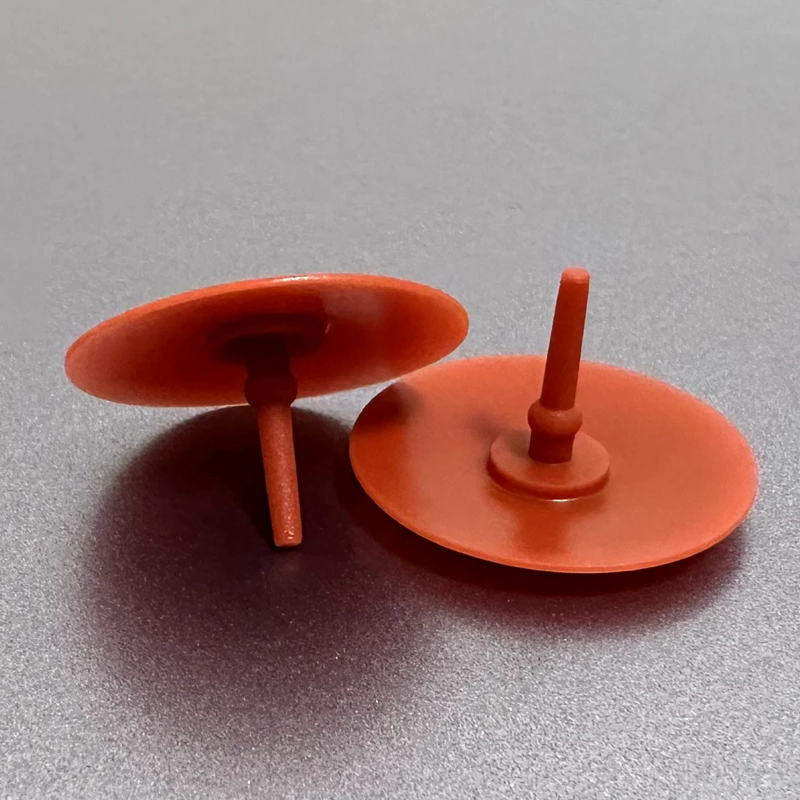
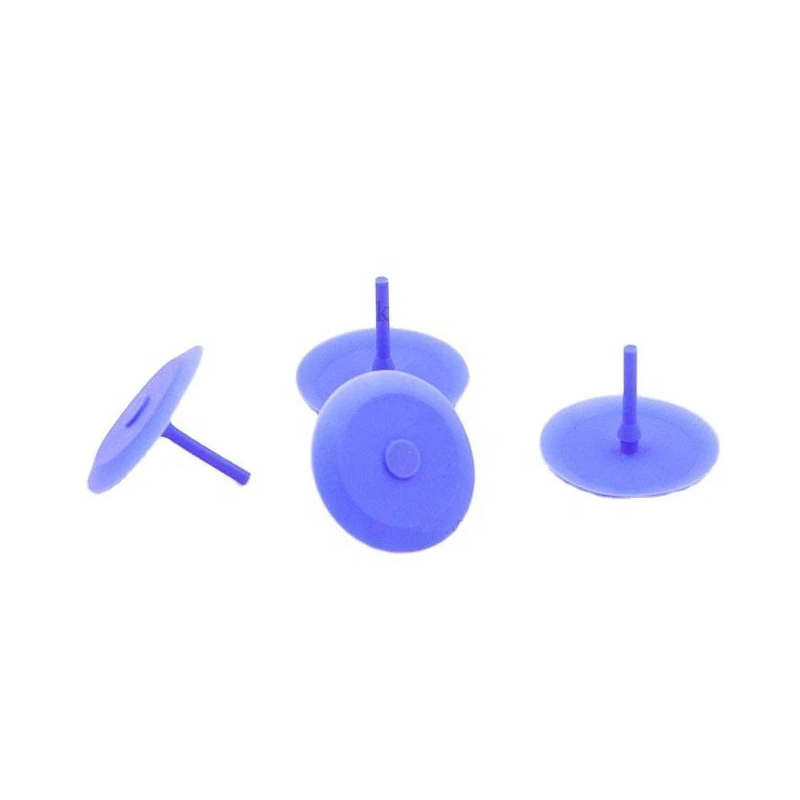
An umbrella check valve is a unique elastomeric valve that features a flexible membrane, often made from high-grade silicone or rubber. Its design resembles the shape of an umbrella, which serves both as the sealing element and the spring. When forward pressure is applied, the membrane lifts slightly to allow fluid flow; when the pressure drops, the flexible skirt of the valve reseals tightly against the seat, preventing backflow.
The self-actuating design of the umbrella check valve makes it ideal for low-pressure applications, as it requires minimal force to operate. Unlike traditional valves that rely on metal springs and mechanical components, umbrella valves are constructed with only elastomeric materials, making them more compact, cost-effective, and maintenance-free.
Due to their simple yet effective design, umbrella check valves are commonly used in applications requiring compact size and low-cost integration, such as in medical devices, miniature systems, and disposable products. At Neosilicone, we specialize in manufacturing custom umbrella check valves tailored to meet the precise needs of your application, ensuring optimal performance and reliable sealing.
Structural Comparison and Performance Characteristics
1. Design and Construction
The most significant difference between an umbrella check valve and a conventional check valve is the design and construction. Conventional check valves typically feature multiple components, such as a body, internal spring, and a sealing disc or ball. These parts are mechanically assembled, which allows for precise flow control but also increases the size and complexity of the valve.
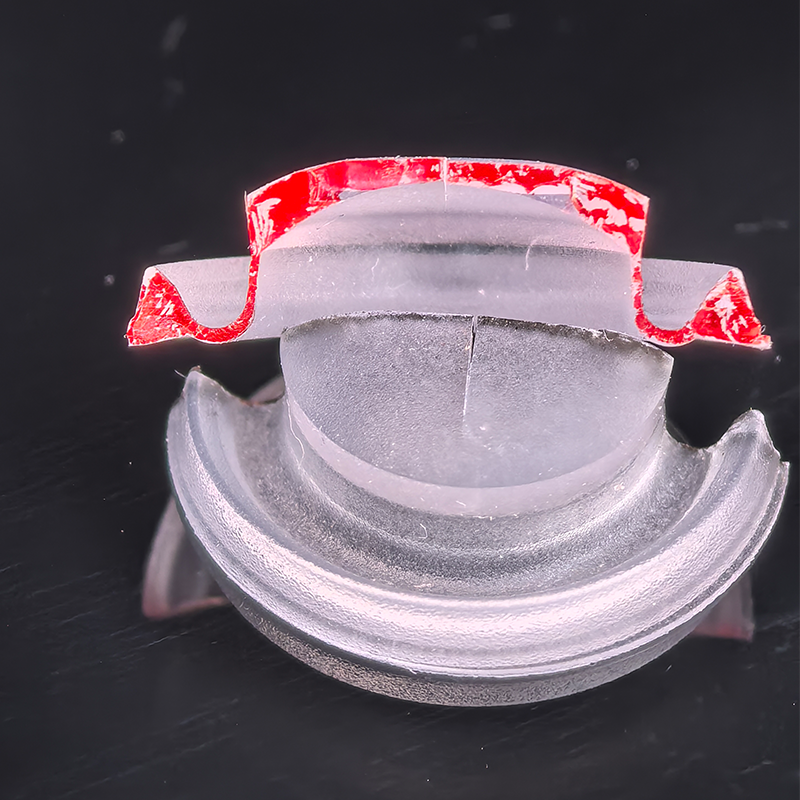
In contrast, the umbrella check valve is made from a single elastomeric component. The “umbrella” head acts as the sealing element, and the flexible stem provides the restoring force. This minimalist construction eliminates the need for metal parts and mechanical assembly, allowing for a more compact, cost-effective solution. Neosilicone utilizes advanced silicone rubber injection molding techniques to create these precise and reliable components.
2. Flow and Cracking Pressure
Traditional check valves require a defined cracking pressure—the minimum pressure differential required to open the valve. This cracking pressure is determined by the spring force or the weight of the sealing disc. Conventional check valves perform well under high-pressure systems, such as hydraulic lines or industrial pipelines, where flow control is critical.
Umbrella check valves, on the other hand, operate at much lower cracking pressures, typically ranging from 0.5 to 2 psi. Their flexible membrane responds to even the slightest changes in pressure, making them highly suitable for low-pressure systems. This feature is particularly useful in applications like medical respirators, infusion pumps, and automotive vacuum systems, where precise, low-pressure flow control is essential.
3. Flow Direction and Seal Integrity
Both types of check valves are unidirectional, meaning they allow flow in one direction and prevent backflow. However, their sealing mechanisms differ. Traditional check valves, due to their rigid construction, provide excellent sealing under high backpressure. On the other hand, umbrella check valves rely on elastic deformation to maintain their seal. While umbrella valves may not handle extreme pressure spikes, they excel in applications where low-pressure, micro-flow rates and intermittent flow are common.
4. Size, Weight, and Integration
Umbrella check valves, being molded from elastomeric materials such as silicone rubber, are inherently more compact and lightweight. Their design makes them ideal for space-constrained environments, such as medical devices, where size, weight, and ease of integration are key considerations. Umbrella valves can be directly molded into plastic housings, minimizing assembly costs and eliminating the need for additional fittings.
Conventional check valves, due to their more complex construction, are typically bulkier and require external housings or threaded connections. They are best suited for industrial-scale applications where higher flow rates and pressures are required.
Applications of Umbrella Check Valves vs. Conventional Check Valves
| Feature | Umbrella Check Valve | Conventional Check Valve |
|---|---|---|
| Design | Single elastomeric component | Multi-component mechanical assembly |
| Material Options | Silicone, EPDM, FKM, medical-grade rubber | Stainless steel, brass, PVC, engineering plastics |
| Pressure Range | Low to medium pressure (0.5-5 psi) | Medium to high pressure (10-500 psi) |
| Flow Response | Fast response, quiet operation | Slower response, possible vibration |
| Size and Integration | Compact, easily integrated into molded housings | Requires more space, external fittings |
| Maintenance | Maintenance-free, self-sealing | Requires periodic inspection and maintenance |
| Best For | Medical devices, consumer products, compact systems | Industrial pipelines, hydraulics, high-flow systems |
Common Applications
Umbrella check valves are ideal for low-pressure and miniature systems where size, efficiency, and sealing are critical. They are commonly found in:
- Medical devices: Ensuring precise fluid control in respirators, dialysis machines, and infusion pumps.
- Automotive systems: Managing fuel vapor, vacuum, and air flow in compact, low-pressure applications.
- Consumer products: Used in dispensing systems and other low-flow, compact products.
Conventional check valves, with their higher pressure tolerance and robust design, are typically used in:
- Industrial systems: Oil and gas transport, chemical processing, and HVAC systems.
- Pipelines and fluid transport: Large-scale systems requiring high flow rates and durable, reliable backflow prevention.
Why Choose Neosilicone for Your Check Valve Needs?
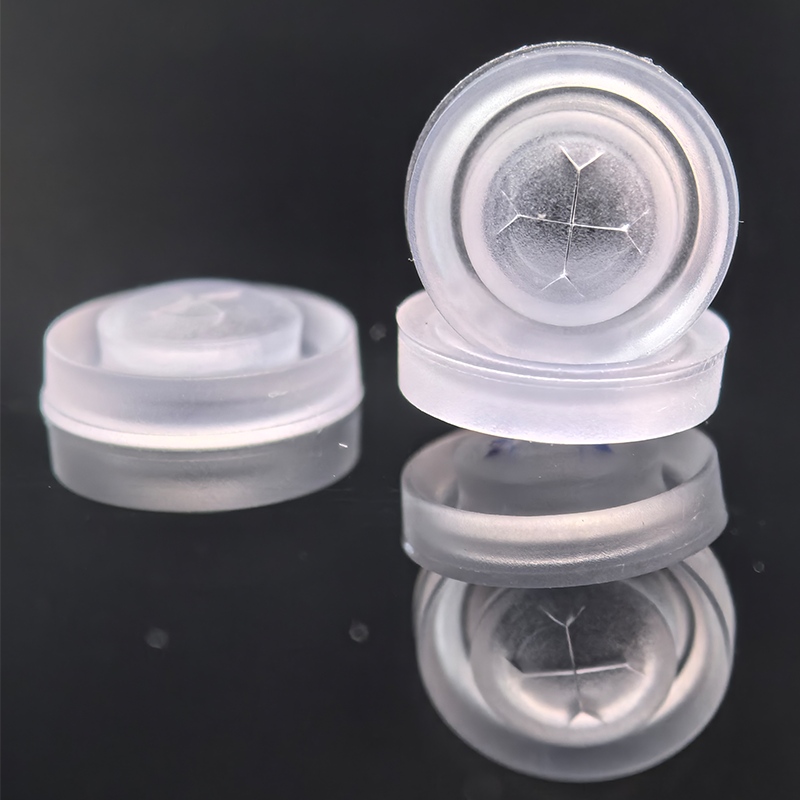
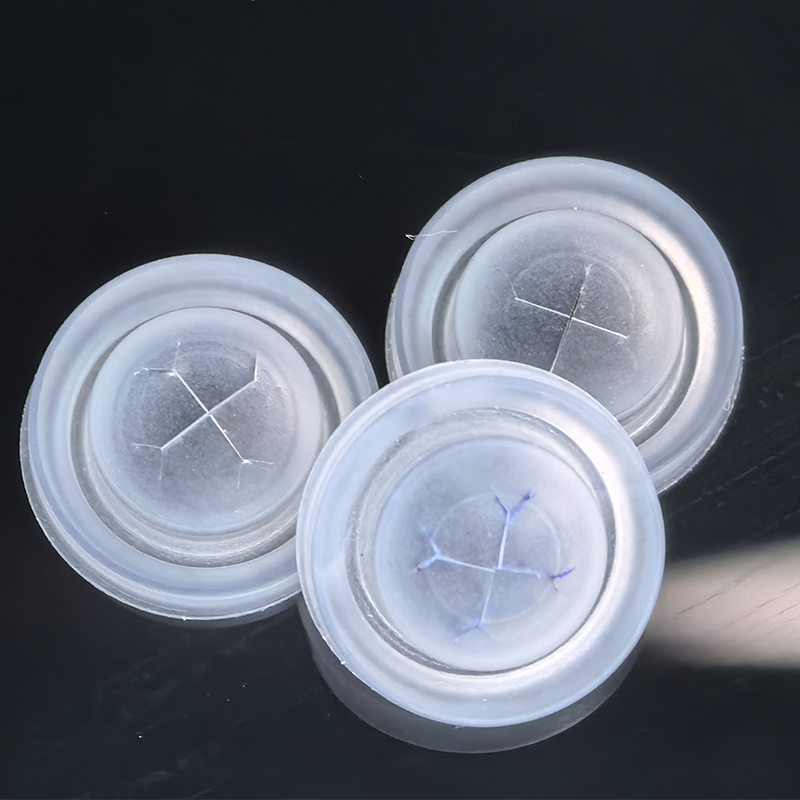
At Neosilicone, we offer custom-engineered solutions for your valve needs. Whether you require a one-way silicone valve, cross slit valve, or umbrella check valve, we provide high-quality, precision-molded components designed to meet the most demanding standards. Here’s why you should choose us as your supplier:
1. Custom Service
We work closely with clients to design and manufacture valves tailored to specific needs, ensuring your system operates at peak performance.
2. Advanced Manufacturing Capabilities
With state-of-the-art facilities and expertise in silicone rubber injection molding, we produce durable and high-performance valves that meet your exact requirements.
3. Reliable and Durable Products
Our umbrella check valves are designed for long-term, maintenance-free operation, ensuring that your systems remain reliable even in demanding conditions.
4. Competitive Pricing
We offer cost-effective solutions without compromising on quality, making us a trusted partner in the industrial, automotive, and medical industries.
5. Expert Support
From design to delivery, our team provides ongoing technical support, ensuring the successful integration of our valves into your systems.
Conclusion: Which Valve Is Right for You?
Choosing the right valve for your application depends on factors like pressure range, flow requirements, material compatibility, and size constraints. Umbrella check valves are ideal for compact, low-pressure systems that require silent operation, maintenance-free designs, and compact integration. In contrast, conventional check valves are best suited for industrial applications that require high-pressure resistance, durability, and large flow capacities.
At Neosilicone, we offer a wide range of valves tailored to meet the specific needs of your application, from one-way silicone valves to cross slit valves and umbrella check valves. Contact us today to discuss your needs, and let us help you find the right solution for your fluid control systems. Whether you require standard solutions or customized valves, we are here to support your business every step of the way.
 English