Nice to meet you — and thanks for the topic. At Neosilicone we get asked the same question all the time: what exactly goes into a well-made silicone night light? As a factory and manufacturer that produces thousands of silicone lighting units yearly, I’ll walk you through the materials, the technical tradeoffs, and the production choices that determine safety, look, and performance. If you’re a retailer, product designer, or supplier evaluating partners, this guide will help you ask the right questions and understand why material choices matter.
Core material: silicone (LSR vs. HCR and grades)
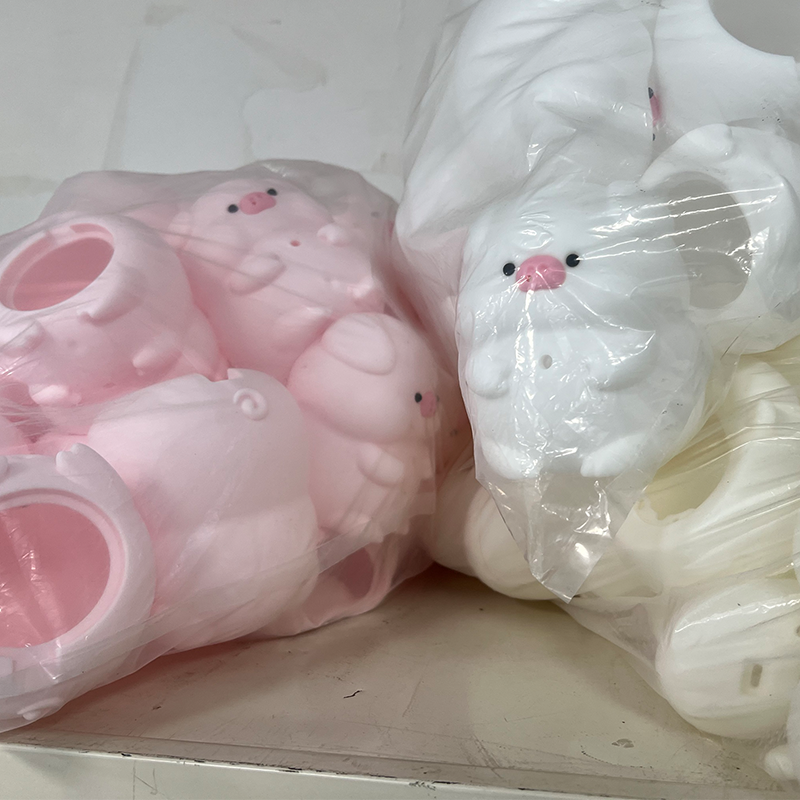
Silicone is the foundation of any silicone night light — it’s what gives the product its soft feel, durability, and low surface temperature.
• Liquid Silicone Rubber (LSR). LSR is a two-component, injection-moldable elastomer widely used for detailed, complex shapes. It cures rapidly in specialist LSR injection machines and is ideal when you need consistent translucency and tight tolerances. LSR is the preferred choice for small, intricate novelty night lights because it supports thin walls, fine textures, and fast cycle times—important for cost-effective OEM production.
• High Consistency Rubber (HCR / silicone rubber sheets). HCR is a higher-viscosity compound commonly used for larger, simpler parts or for compression/transfer molding. It’s more suited to low-volume production or designs that require thicker solid parts.
• Curing systems and purity. Platinum-cured (addition cure) silicones are commonly used for consumer and food-contact applications because they exhibit low residuals and minimal odor. Peroxide-cured silicones can be used too, but they may leave trace residues and sometimes require post-curing. For night lights destined for children or food contact, specify platinum-cured, medical/food-grade LSR (FDA/LFGB) to minimize risks.
• Optical properties / translucency. Silicone translucency is controlled by compound formulation and fillers. Pure LSR gives a soft, even glow. If you need a frosted look or greater light diffusion, we adjust wall thickness, add controlled amounts of fumed silica or mattifying additives, or use surface textures on the mold to achieve the desired light spread.
• Shore hardness. Night lights typically use relatively soft silicones for a pleasant touch — usually in the Shore A 20–60 range depending on whether you want a squishy toy-like product or a firmer lamp. Softer silicones diffuse light better, but very soft formulations can be more susceptible to tear; we balance durometer and tensile/tear strength for durability.
The lighting system: LEDs, drivers, and electronics
The light source and electronics determine efficiency, color options, and smart features.
• LED types. Common choices include SMD LEDs for pinpoint light and COB (chip-on-board) for uniform, high-CRI illumination. For color-changing units we use RGB or RGBW LED modules with a suitable driver.
• Diffusion vs. direct-view. Embedding SMDs under diffusing silicone can give a gentle glow. For high uniformity, COB modules under a diffusing silicone dome produce near-seamless light.
• Drivers and control. Options include simple resistive drivers for fixed white lights, PWM drivers for dimming, and integrated microcontrollers or BLE/Wi-Fi modules for smart control. Battery-operated units require charging circuits (USB-C now common) and battery management protection. We source certified driver ICs and include over-temperature and over-charge protections in our assemblies.
• Powering options. Battery (AA/AAA or rechargeable Li-ion/Li-poly), USB-powered, AC adapters, and solar for outdoor models. Battery chemistry and capacity affect run-time and charging safety, so we only work with reputable suppliers and include protection circuits.
Supporting materials: plastics, adhesives, seals, coatings
While silicone is the star, other materials are essential for function and assembly.
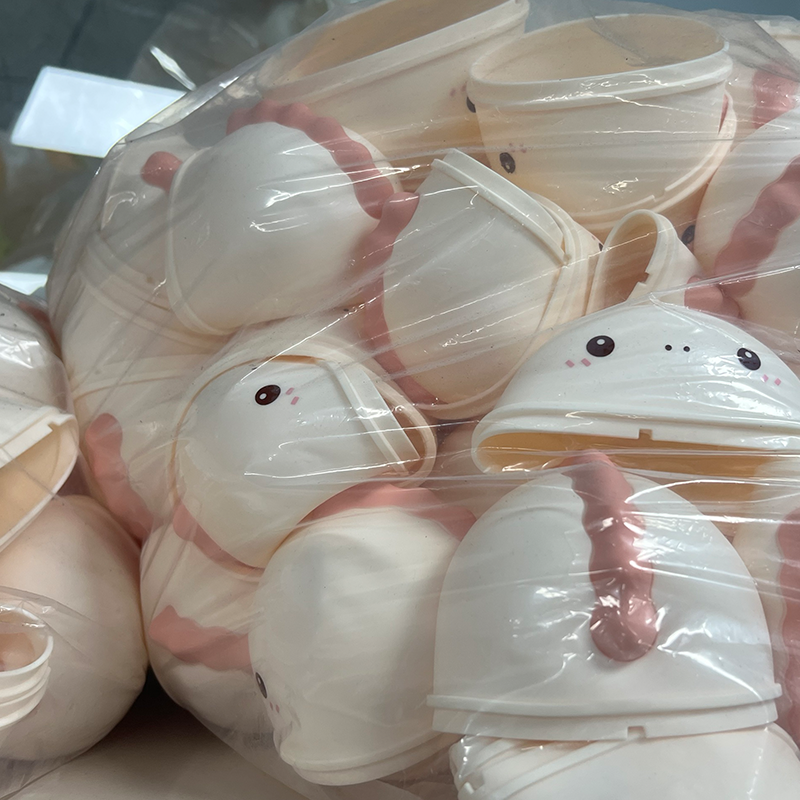
• Plastic bases and inserts. Rigid components (battery compartments, switches, plug housings) are usually made from ABS, PC, or PC+ABS for flame resistance and mechanical strength. Insert molding or simple mechanical assembly can be used depending on design.
• Adhesives and potting compounds. Silicone-compatible adhesives (silicone RTV or specialized structural silicones) are used to bond diffusers to plastic bases. For electronics waterproofing, we use silicone potting compounds or polyurethane potting depending on chemical compatibility and thermal constraints.
• Seals and gaskets. For IP-rated outdoor lights, silicone O-rings and gaskets provide long-lasting water resistance without hardening or cracking.
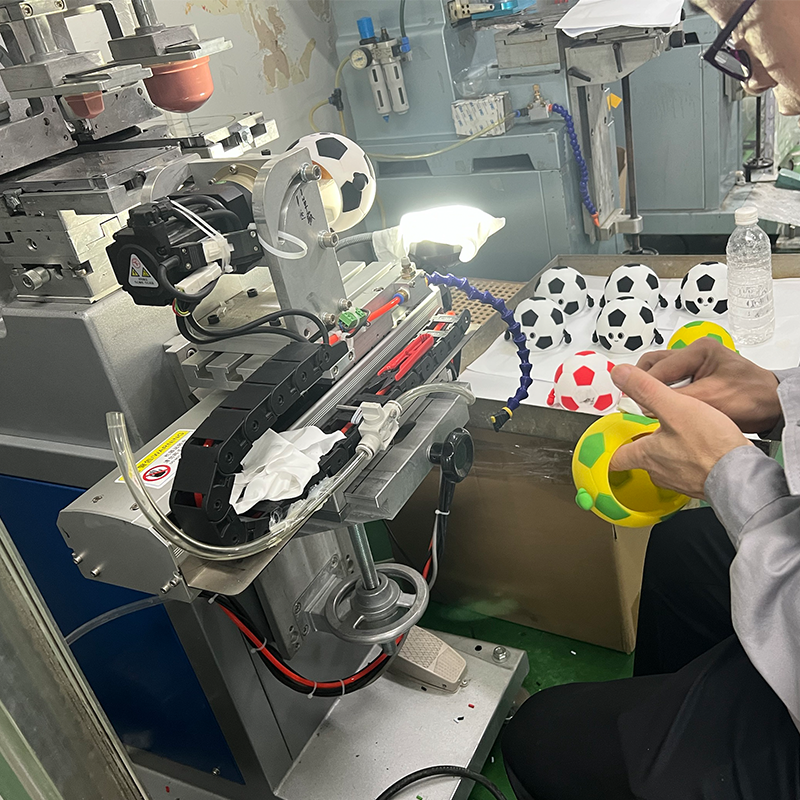
• Coatings and colorants. Pigments for silicone are typically high-temperature masterbatch colorants designed for LSR—these preserve translucency and avoid bleeding or fading. For certain decorative trims we may apply painting or plating to the plastic base.
Design and optical considerations
A good night light is more than materials — design decisions influence light quality and user experience.
• Wall thickness and diffusion. Thinner walls let more light through but show hotspots around LEDs; thicker walls smooth the glow but increase material cost and weight. Typical diffusion walls range from 1.5 mm to 4 mm depending on LED power and desired translucency.
• Texture and frosts. Micro-textures on the mold can scatter light evenly and hide LED points without adding bulk.
• Heat management. Silicone is heat-resistant but still requires thermal planning. For higher-power LEDs we provide small heat-sinks integrated into the plastic base or design thermal paths into the assembly.
Safety, testing, and certifications
As a manufacturer, Neosilicone enforces rigorous quality and safety testing standards.
• Electrical safety. UL/CUL/CE/CCC testing for adapters and internal power electronics as required by market. For battery units, we test to UN38.3 and include appropriate cell protection.
• Material safety. Food-grade/platinum-cured silicones and testing for heavy metals, phthalates, and volatile organic compounds (VOCs) when requested.
• Mechanical and environmental tests. Drop tests, thermal cycling, IP ingress testing for outdoor models, and burn-in aging for LEDs and drivers to ensure long life.
• Optical quality checks. Color temperature (CCT) verification, lumen output, and uniformity testing during production.
Manufacturing process overview (how we make them in our factory)
Neosilicone offers end-to-end OEM capability and custom service — from design to mass production.
- DFM & prototyping. We start with Design for Manufacturing reviews, 3D printed prototypes, and material samples. Optical simulation helps pick wall thickness and LED placement.
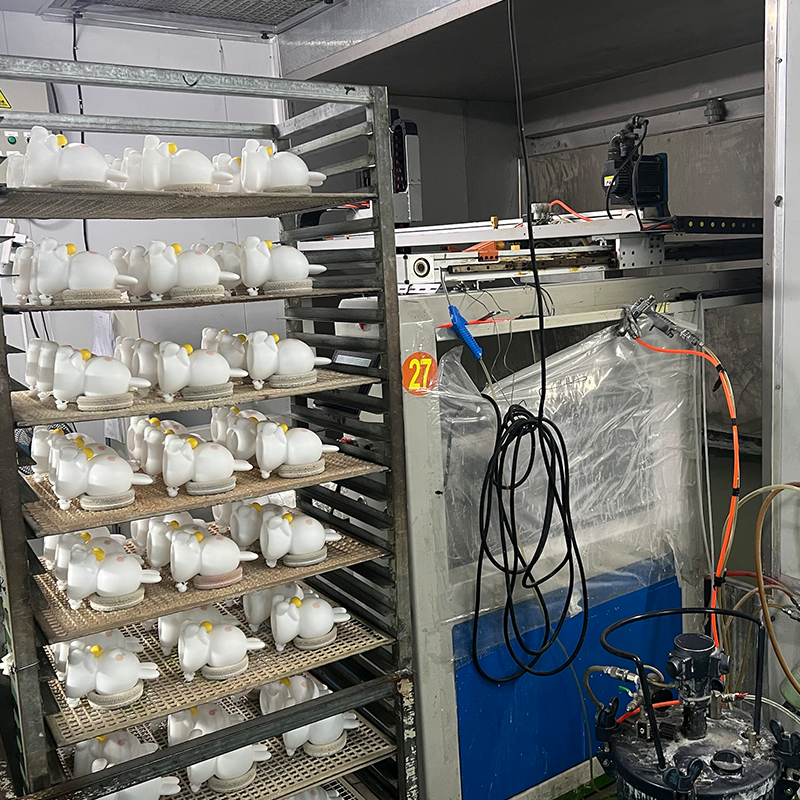
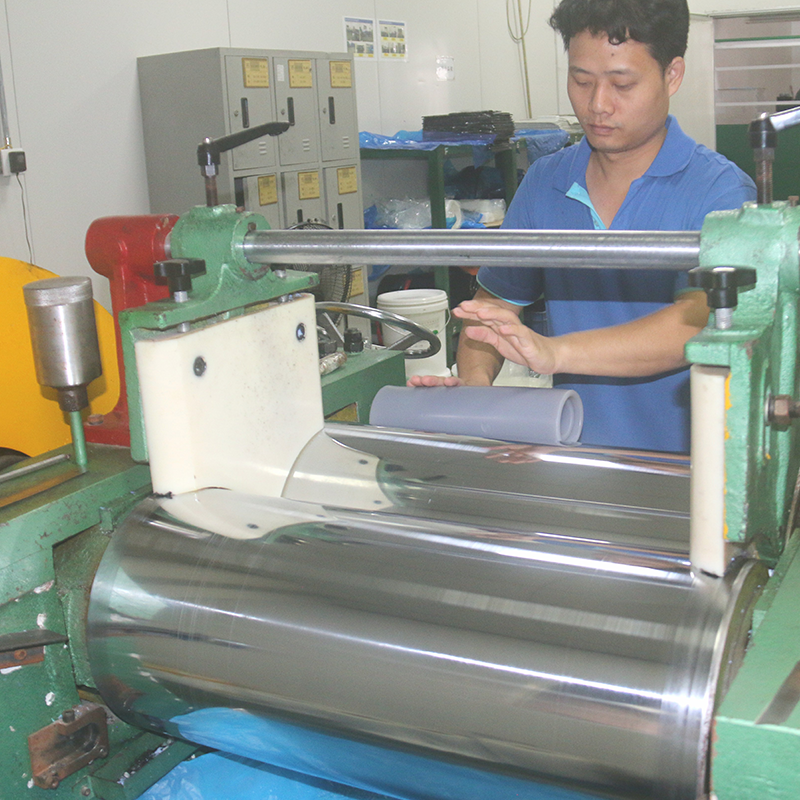
- Tooling. High-precision steel molds for LSR injection are manufactured in-house or by trusted tooling partners. Mold finishes determine surface texture and final look.
- LSR injection / molding. Automated two-shot or insert molding is used for integrating silicone and rigid plastic parts when needed.
- Electronics assembly. PCB assembly, LED placement, and driver integration happen in controlled assembly lines; potting or gasketing performed as specified.
- Final assembly & QC. Each unit goes through functional tests (light, dimming, charging), visual inspection, and sampling for mechanical testing.
- Packaging & logistics. Custom packaging, compliance labeling, and consolidated shipping — we work with global suppliers and logistics partners to ensure on-time delivery.
Sustainability and supply chain notes
Silicone is durable and long-lived; durable products can reduce waste. Recycling silicone remains more complex than some thermoplastics, but we work with material suppliers exploring take-back programs and use recyclable plastics where practical. We vet suppliers for chemical traceability and prioritize low-VOC and low-odor compounds.

Why partner with a specialized silicone manufacturer?
Working with a factory experienced in silicone lighting—like Neosilicone—gives you access to material science, optical know-how, and the supply chain management required for consistent shipping and certification. We provide custom service for shape, color, optical behavior, and electronics, and can scale from small pilot runs to full mass production.
If you’re sourcing silicone night lights and need a reliable supplier/manufacturer with proven quality processes, or you want a custom OEM design with full prototyping and factory support, Neosilicone would be glad to discuss your project. Reach out and tell us the function, size, and electrical requirements you envision — we’ll propose materials, prototype options, and a production plan tailored to your market needs.
 English