
When global medical device developers face unexpected challenges in their tubing components—whether related to contamination, inconsistent performance, or sterility concerns—they often search for a supplier with the technical expertise, manufacturing capability, and rigorous quality standards to solve the problem quickly and reliably. At Neosilicone, we regularly partner with world-leading OEMs who trust our factory because of our engineering depth, one-stop service, ISO-certified processes, and our long-standing reputation as a high-quality medical-grade silicone tubing manufacturer.
If you are evaluating suppliers who can support your medical device program with high precision, full traceability, and strict regulatory compliance, this article provides a detailed look into how Neosilicone helps customers reduce risk—starting from material selection and cleanroom extrusion to secondary processing and final inspection.
The Growing Complexity of Medical-Grade Tubing Requirements
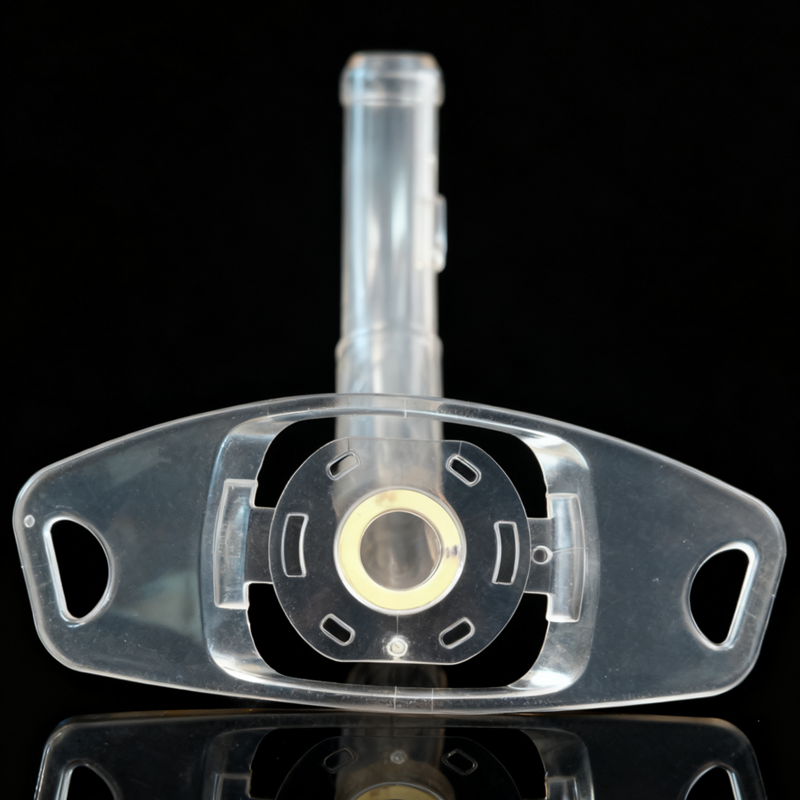
Medical-grade tubing plays a critical role in Class I, II, and III devices—ranging from respiratory systems and diagnostic instruments to fluid transfer devices and minimally invasive tools. As device design evolves, so does the complexity of tubing requirements. Modern OEMs demand:
- Biocompatible, high-purity materials
- Consistent flow performance
- Tight dimensional tolerances
- Sterilization compatibility
- Laser marking, traceability, and labeling accuracy
- Cleanroom extrusion and processing
- Lower contamination risks and extended shelf stability
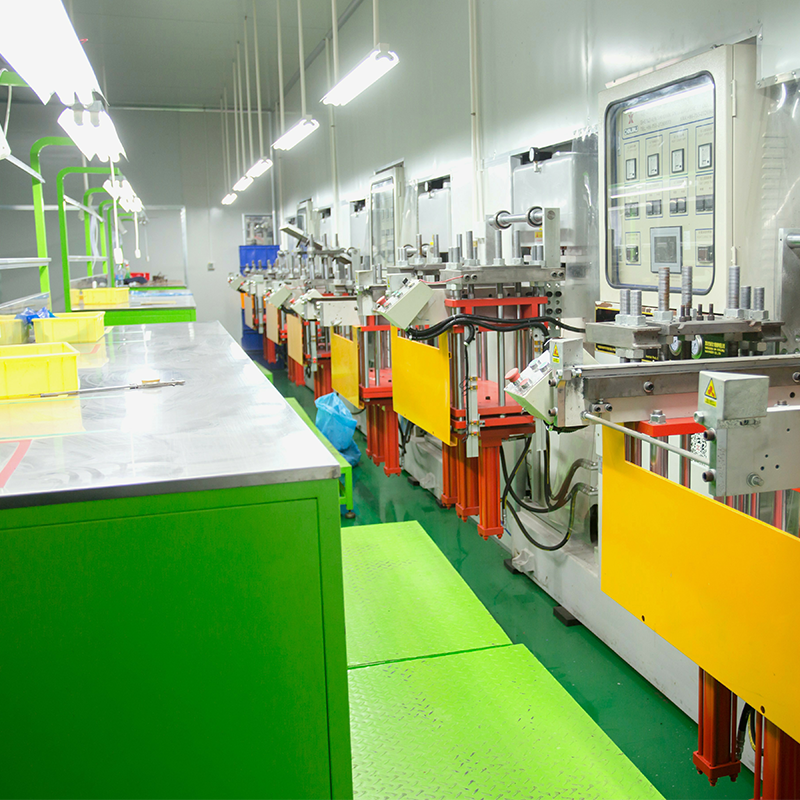
At Neosilicone, all medical-grade tubing is produced in ISO 9001 and ISO 13485–certified facilities, with dedicated Class 8 cleanrooms, automated inspection systems, and manufacturing processes designed to meet strict global healthcare standards.
Our ability to provide custom service, including material selection, tubing design, prototyping, extrusion, secondary processing, and assembly, makes us a trusted partner for manufacturers seeking a reliable long-term supplier.
Three Proven Ways Neosilicone Reduces Risk in Medical-Grade Tubing Manufacturing
The following strategies represent how our engineering and quality teams help medical device developers eliminate performance issues, reduce contamination risks, improve traceability, and shorten development cycles.
1. Material Optimization to Prevent Performance Failures and Blooming
One of the most common challenges in medical tubing production—especially for applications sterilized via Ethylene Oxide (EtO)—is material blooming. Blooming occurs when low-molecular-weight additives migrate to the surface of the tubing, leaving behind a residue that can compromise sterility, clarity, and biocompatibility.
In a recent project, a global medical device company approached Neosilicone after discovering blooming issues with PVC tubing after EtO sterilization. Instead of simply manufacturing the part as originally specified, our engineers conducted an in-depth analysis and recommended alternative medical-grade silicone and thermoplastic elastomer (TPE) formulations that addressed:
- Blooming risk
- EtO compatibility
- Tensile performance
- Flexibility and durometer range
- Long-term aging stability
The selected material eliminated blooming entirely and improved downstream biocompatibility and sterility assurance.
This proactive engineering approach is a major reason why manufacturers rely on Neosilicone as more than just a supplier—we are a technical extension of their R&D team.
2. Cleanroom Manufacturing to Lower Contamination Risks
Contamination control is a non-negotiable factor in medical device tubing production. Even a small amount of particulate or bioburden can jeopardize the safety and regulatory approval of an entire device program.
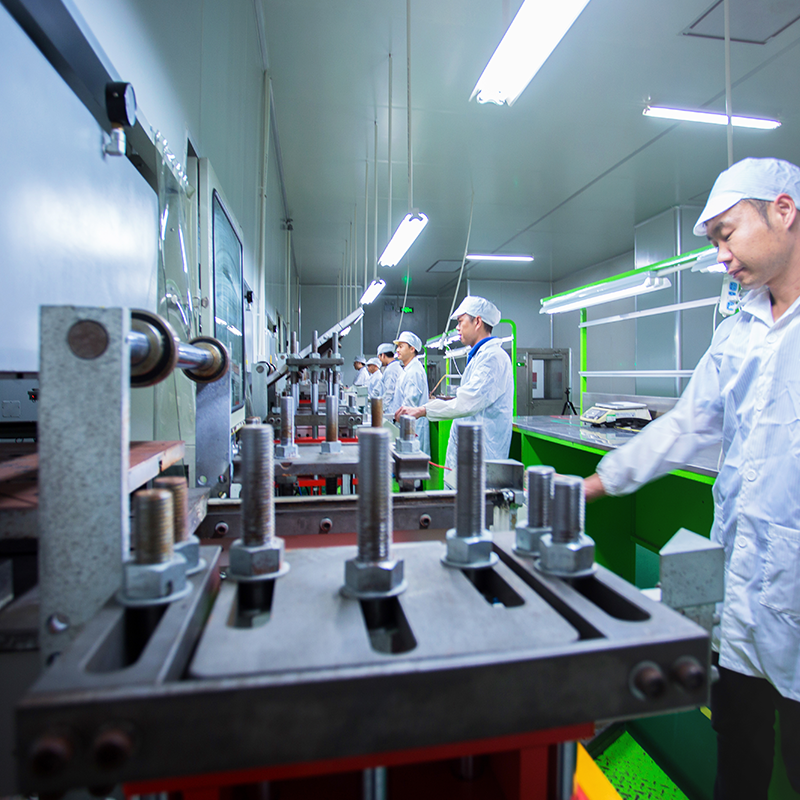
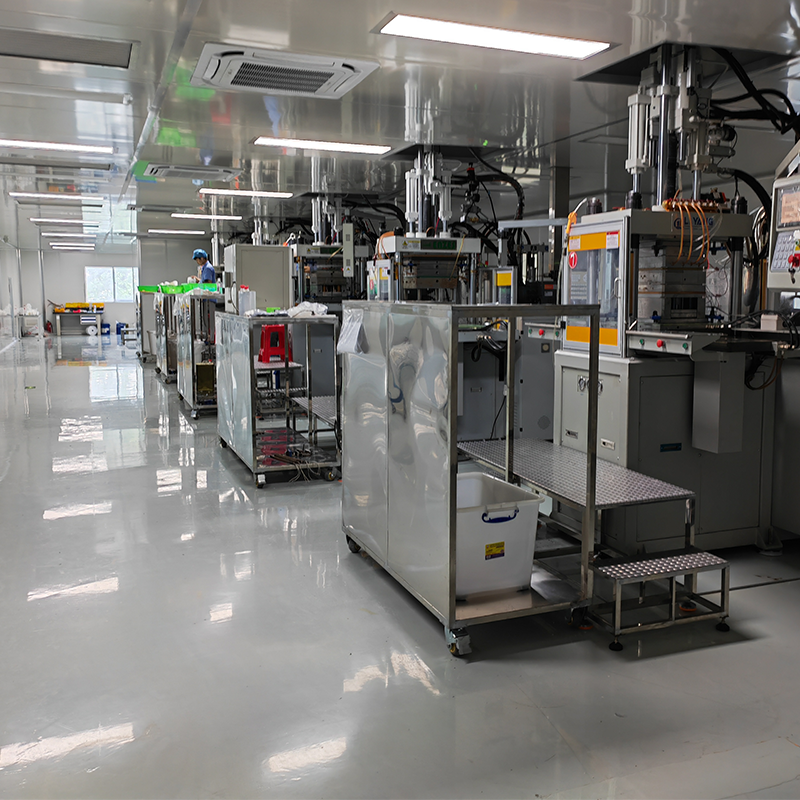
Neosilicone operates Class 8 cleanroom extrusion, cutting, printing, and secondary-processing lines, ensuring:
- Ultra-low particulate levels
- Controlled humidity and temperature
- Continuous environmental monitoring
- Validated cleaning and sterilization protocols
- Safe handling and packaging procedures
By eliminating blooming and manufacturing fully within the cleanroom, contamination risks are dramatically reduced. This gives OEMs confidence that every tubing batch meets the strict sterility and cleanliness standards required for medical device assembly.
3. Enhanced Traceability and Shelf-Life Management to Reduce Operational Risk
Medical-grade tubing often has a limited shelf life. When used beyond its recommended timeframe, tubing performance—including flexibility, clarity, and mechanical strength—can degrade.
Neosilicone helps device manufacturers avoid shelf-life issues in three key ways:
Accurate and Permanent Laser Marking or Printing
Every tubing batch includes detailed traceability:
- Date of extrusion
- Material batch number
- Production shift
- Cleanroom lot number
- Optional UDI or customer-specific codes
This ensures full transparency from raw material to final shipment.
Small-Batch Manufacturing for Sensitive Programs
For tubes with tighter shelf-life requirements, we support small-batch production to ensure fresh extrusion for every build cycle.
Digital Production Traceability
Our factory uses a digital MES (Manufacturing Execution System) to track:
- Material certificate validation
- Cleanroom environmental data
- Production parameters
- QC inspection points
- Packaging and shipment details
This level of traceability is especially valuable for Class II and Class III medical devices where documentation is essential for regulatory compliance.
Advanced Secondary Processing for Improved Device Integration
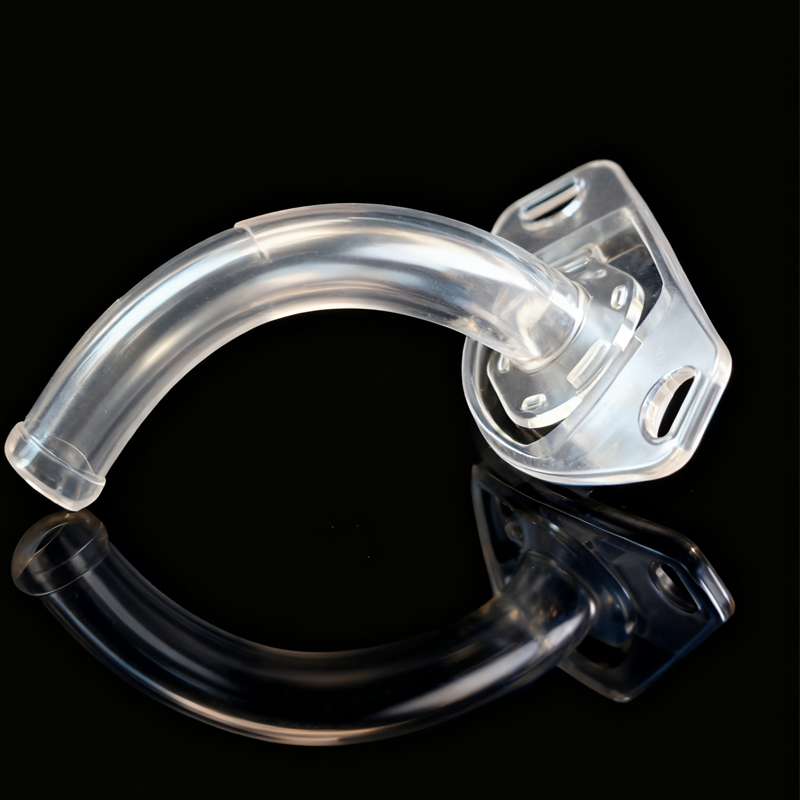
Medical tubing is rarely used as a standalone product. Most applications require secondary processing to ensure proper function within an assembly. Neosilicone offers a full one-stop service for secondary processing, including:
Thermal Forming
Used to create fixed shapes or curves, enabling stable routing inside the device.
Tipping and Flaring
Provides smooth, reinforced ends for connectors, fittings, or valves.
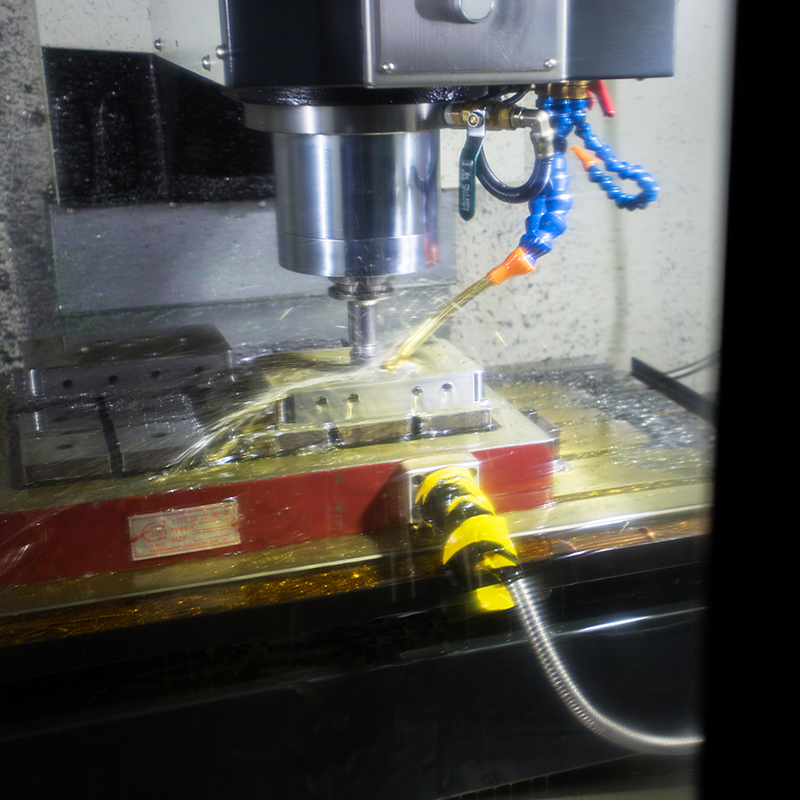
Hole Punching and Laser Micro-Drilling
Used for venting, fluid control, and catheter applications.
Custom Assembly
Tube-to-connector bonding, overmolding, or fitting integration.
In the case study referenced earlier, Neosilicone’s engineering team helped the customer optimize tipping and assembly by eliminating buckling at the joints through advanced thermal forming and enhanced dimensional control. This resulted in:
- Improved fluid flow
- Reduced kinking
- Enhanced mechanical strength
- More reliable mating with fittings
These optimizations significantly reduced failure modes and improved long-term device performance.
Neosilicone’s Capabilities in Medical-Grade Tubing Manufacturing
As a specialized medical-grade tubing manufacturer, Neosilicone offers:
✓ Medical-Grade Material Options
- Platinum-cured silicone
- TPE
- PVC (medical grade)
- Customized elastomer blends
All materials comply with:
- USP Class VI
- USP 788
- FDA 21 CFR 177.2600
- RoHS & REACH
✓ ISO-Certified Manufacturing
- ISO 9001
- ISO 13485
✓ Class 8 Cleanroom Extrusion
High-purity tubing for respiratory, diagnostic, and therapeutic devices.
✓ Custom Service for OEM Projects
- Full design consultation
- Material selection
- Prototype development
- Mass production scaling
- Traceability and validation
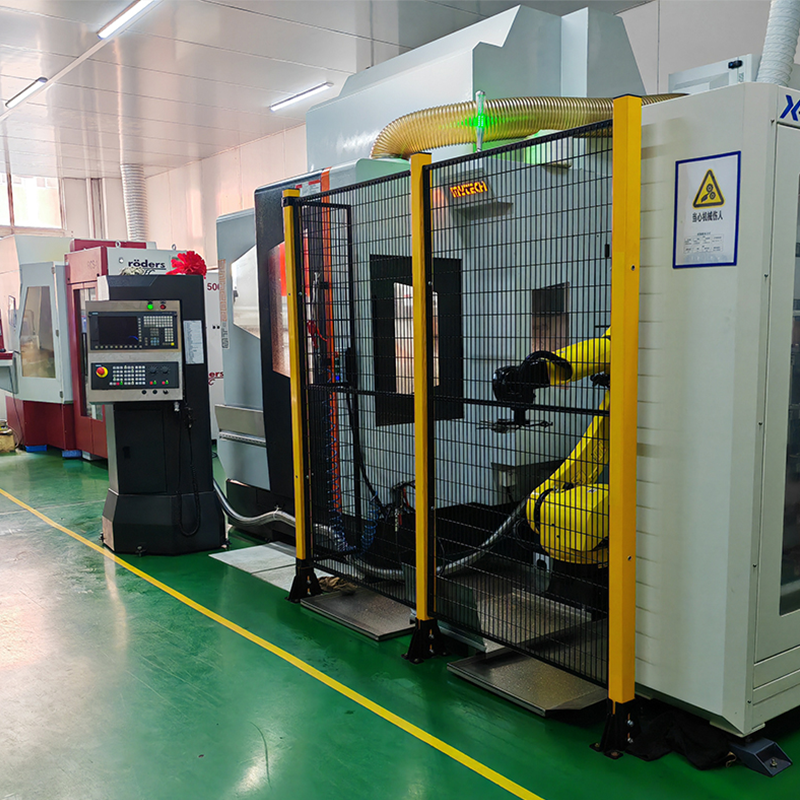
✓ One-Stop Service From Concept to Completion
Neosilicone supports the entire supply chain:
- Material recommendation
- Tubing extrusion
- Secondary processing
- Assembly service
- Sterile or clean packaging
- Logistics support
This streamlined workflow reduces lead times and eliminates the need for multiple suppliers.
Conclusion:
At Neosilicone, we understand the pressures medical device manufacturers face—tight timelines, fluctuating regulatory requirements, supply chain risks, and the need for absolute product reliability. By offering one-stop service, cleanroom production, optimized material recommendations, ISO-certified manufacturing, and engineering-driven risk reduction, we help our clients bring safer and more advanced devices to market with confidence.
If your team is searching for a high-quality, trustworthy supplier and manufacturer for custom medical-grade tubing, Neosilicone is ready to support you from concept to mass production.
Contact us today for technical consultation, sampling, or project evaluation—we’re here to help you build medical devices that patients can rely on.
 English