
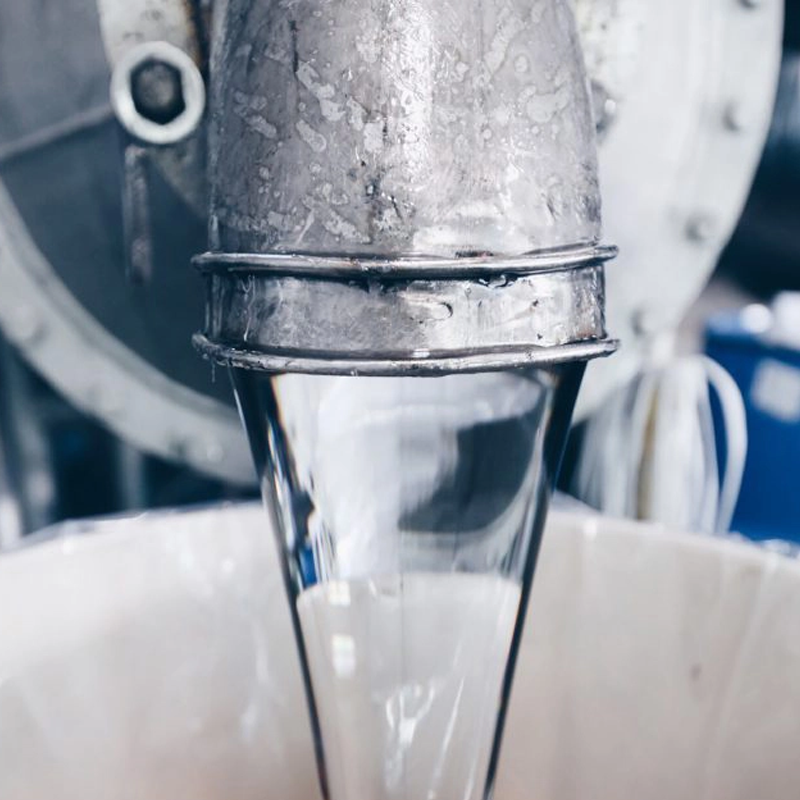
Choosing the right material for a valve is one of the most important engineering decisions you’ll make. Material selection determines durability, chemical compatibility, operating temperature, sealing performance, manufacturability, and lifecycle cost. At Neosilicone we manufacture custom silicone valves, custom silicone cross slit valves, and a wide range of elastomeric and hybrid components — and we help OEMs match materials to real-world operating demands through practical design and validation.
1. Key Factors in Selecting Valve Materials
When engineers pick valve materials, they evaluate several interdependent factors:
- Media compatibility — will the material resist chemicals, solvents, fuels, acids, or sanitizers?
- Temperature range — from cryogenic to high-temperature steam or hot-fill environments.
- Mechanical loads — pressure, abrasion, and cyclic fatigue.
- Sealing and elasticity — how well the material returns to shape and maintains a leak-tight seal.
- Regulatory & food/medical compliance — FDA, USP Class VI, RoHS, etc.
- Manufacturing method — injection molding, transfer molding, machining, sintering, or overmolding.
- Cost & supply chain — unit price, tooling scale, and supplier capabilities.
2. Common Materials Used in Valve Manufacturing
Silicone (VMQ / LSR)
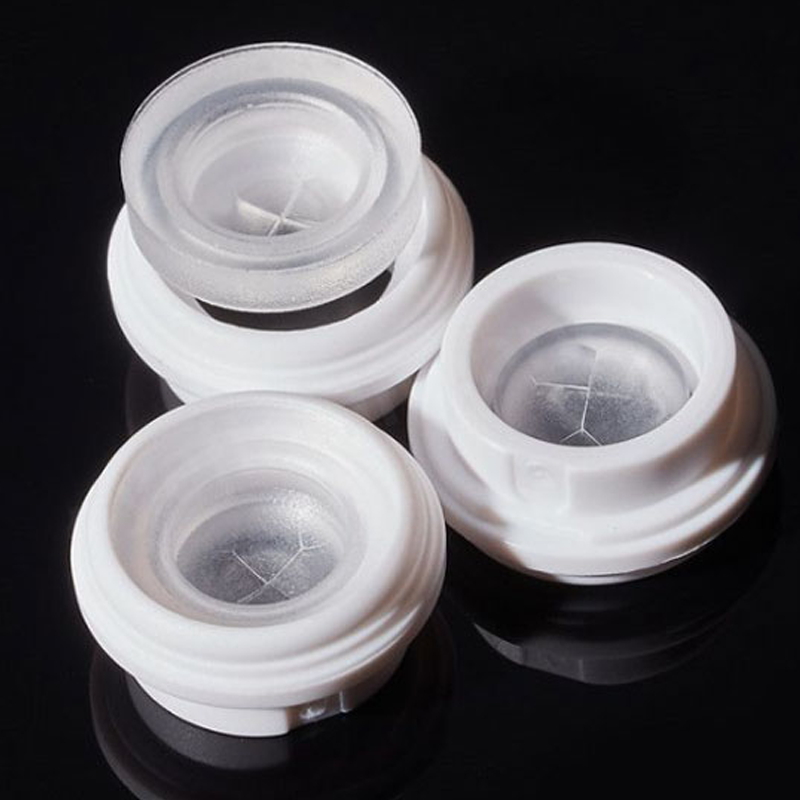
Silicone is ubiquitous for soft-seal valves because of its wide usable temperature range (roughly −60°C to +230°C for many grades), excellent elasticity, and biocompatibility. Forms include molded LSR (liquid silicone rubber) and HCR sheet stock. Silicone suits one-way silicone valve, breathing valves, medical check valves, and many custom silicone valve applications. Its low compression set and sterilization tolerance make it popular in medical and food-grade valves.
Plastics and Polymers
Rigid or semi-rigid plastics form housings, valve bodies, and sometimes sealing inserts:
- Polypropylene (PP) / Polyethylene (PE) — chemical resistance, low cost, often used for caps and housings.
- Polysulfone (PSU), PEEK, and PTFE — high-performance polymers used where corrosion resistance, high temperatures, or low friction are required. PTFE (Teflon) stands out for chemical inertness and low friction in aggressive media.
Elastomers Other Than Silicone
- EPDM — excellent steam and hot-water resistance; widely used in HVAC and water systems.
- Nitrile (NBR) — good oil/fuel resistance; often used in automotive valves.
- Viton / FKM — superior chemical and heat resistance for fuel systems and harsh chemicals.
- Fluorosilicone (FVMQ) — blends silicone flexibility with hydrocarbon resistance.
Ceramics and Specialty Alloys
For high-wear, high-temperature, or abrasive media, valve seats and components may use ceramics (alumina, zirconia) or specialty alloys (stainless steels, Hastelloy, Inconel). These materials offer long life in demanding process industries.
3. In-Depth: The Role of Silicone in Valve Manufacturing
Silicone excels where soft sealing, biocompatibility, and sterilization are required. Typical uses:
- Cross-slit valves and duckbill valves: precise dosing, low cracking pressure, gentle flow for foods and medical fluids.
- Diaphragm and membrane valves: long-cycle life and minimal particulate generation.
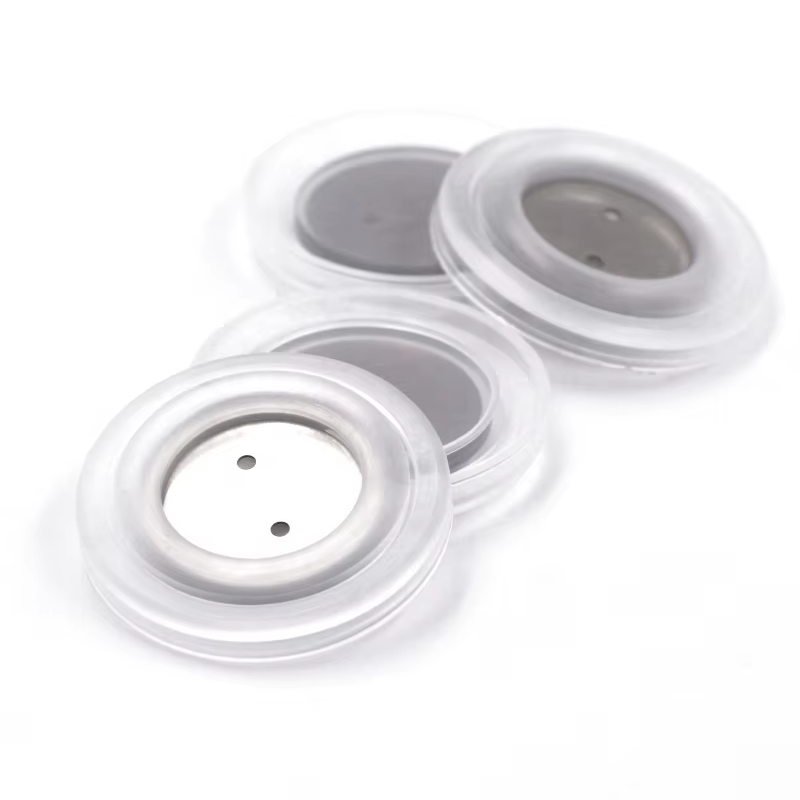
- Overmolded assemblies: silicone seals molded directly onto plastic housings to eliminate assembly seams and leak paths.
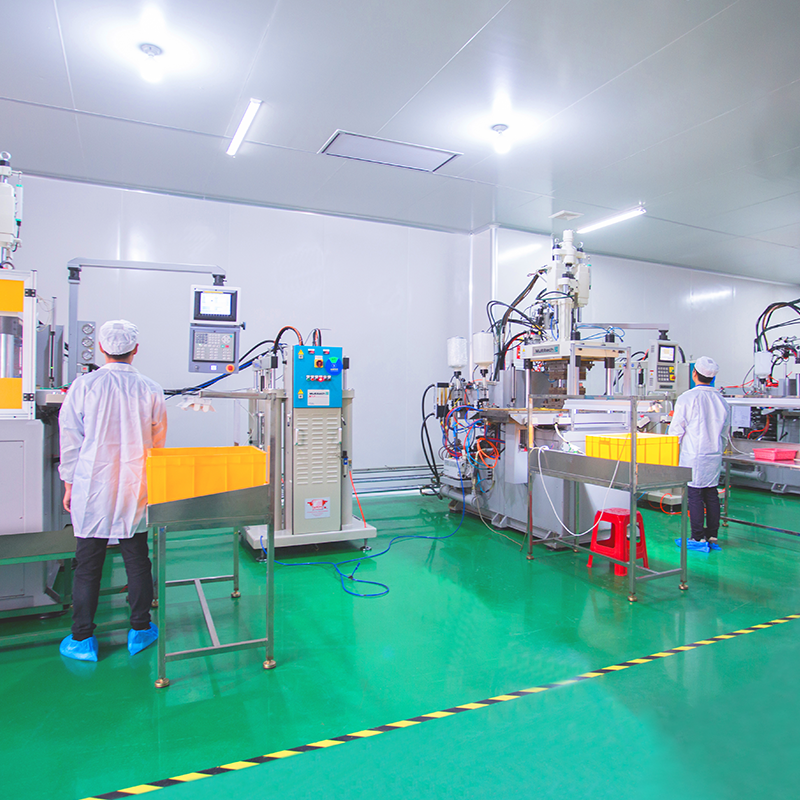
From a manufacturing perspective, silicone rubber injection molding (LSR) is well-suited to high-volume, tight-tolerance valve production. LSR supports multi-cavity tooling and consistent slit geometry — essential for custom silicone cross slit valve performance.
4. Matching Valve Material to Application
A few practical match-ups:
- Medical devices / respiratory valves → Platinum-cured LSR (FDA/USP compliant).
- Food & beverage dispensers (ketchup valves) → Food-grade silicone or food-safe TPE with validated extractables testing.
- Automotive vacuum / fuel vents → FKM or FVMQ for hydrocarbon resistance.
- High-pressure chemical control → PTFE seats with stainless steel components and O-rings in FKM/EPDM as required.
Always validate with application-specific tests: chemical swell, cracking pressure, cyclic life, migration/extractables for food/medical use, and thermal aging.
5. Advances in Valve Material Technology
Recent trends include:
- Tailored LSR compounds with enhanced low-temperature elasticity or improved VOC/extractable profiles.
- Hybrid constructions: metal or plastic bodies with overmolded silicone seals for improved assembly and reduced leak paths.
- Additive manufacturing and micro-molding for complex internal channels and integrated valve manifolds.
- Environmentally friendlier elastomers and recyclable housings to reduce lifecycle impact.
6. Maintenance and Longevity Considerations by Material Type
Silicone valves typically offer long life under moderate pressures but can swell in strong solvents. FKM has excellent life in hydrocarbons but is stiffer and may require different sealing geometry. Metals and ceramics deliver long wear life but need compatible soft seats to maintain leak-tight seals. Design for easy replacement, monitor PV (pressure-velocity) limits, and plan periodic inspection for high-cycle systems.
7. Conclusion
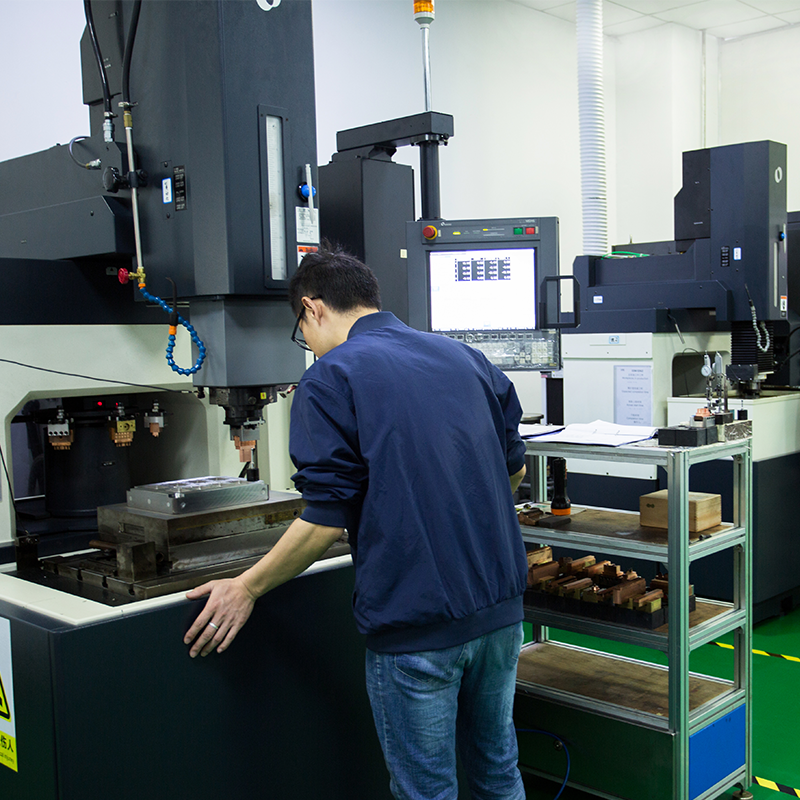
Material selection for valves is a system-level decision: media, temperature, required life, regulatory constraints, and manufacturing method must all align. At Neosilicone, we provide engineering support, prototyping, and production for custom silicone valve programs — from single cavity prototypes to high-cavity LSR tooling for custom silicone cross slit valve and other products. Our custom service includes material certification, DFM, process validation, and production-ready manufacturing.
If you’d like help choosing materials, validating valve performance, or quoting a production run, contact Neosilicone with your operating conditions, target volumes, and regulatory needs. We’ll propose material options, test plans, and a manufacturability roadmap.
FAQs
Q: What is the most corrosion-resistant valve material?
A: PTFE and high-nickel alloys (Hastelloy, Inconel) are top performers for aggressive chemistries.
Q: Why is silicone popular for valve manufacturing?
A: Silicone combines wide temperature range, elasticity, biocompatibility, and compatibility with sterilization — making it ideal for medical and food valves.
Q: What are the benefits of using silicone in valves?
A: Low compression set, soft sealing, low-temperature flexibility, minimal odor/taste transfer (in food grades), and ease of molding.
Q: Are there any eco-friendly materials used in valves?
A: Manufacturers are adopting recyclable thermoplastics for housings and exploring greener elastomer chemistries; lifecycle considerations are increasingly important.
Q: What is the role of coatings in valve material durability?
A: Coatings (PTFE, ceramic, or hard chrome) reduce wear and friction, improve corrosion resistance, and extend service life for metal components.
 English