
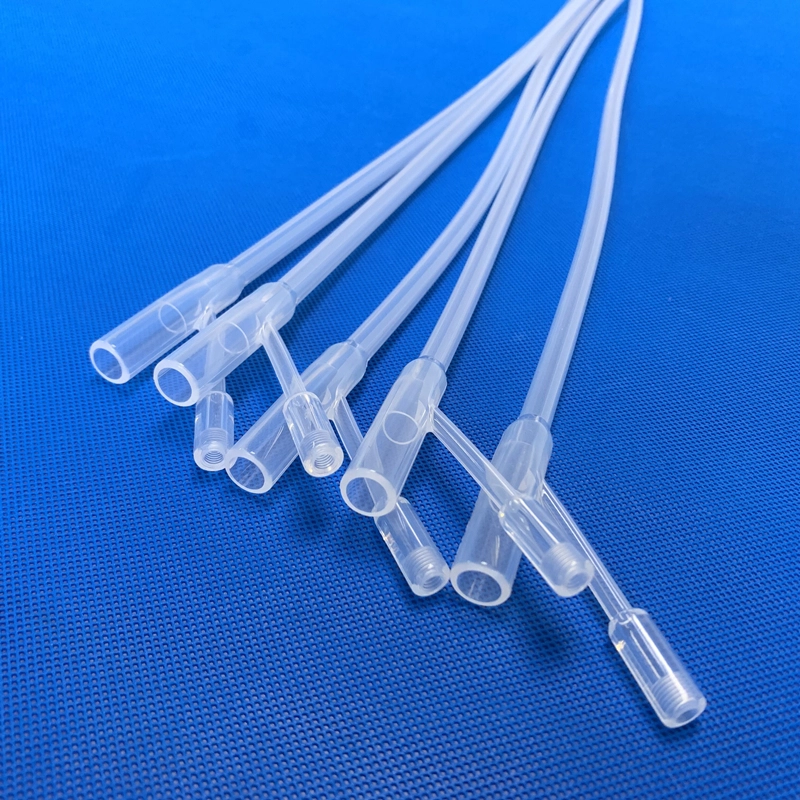
At Neosilicone, we specialize in precision silicone extrusion for medical applications, supporting global medical device companies as a trusted manufacturer and suppliers of high-performance silicone tubing. Through our one-stop service and flexible OEM service, we help customers develop reliable custom medical tube solutions that meet strict regulatory and performance requirements.
If you’re designing or sourcing medical tubing, you may be asking: Why is silicone extrusion the preferred manufacturing method? The answer lies in material performance, process control, and long-term reliability.
Silicone Extrusion for Medical Tubing: Process and Benefits
Silicone extrusion is a continuous manufacturing process that produces medical-grade tubing with consistent dimensions, smooth surfaces, and precise tolerances. This method is widely used for medical tubing because it allows tight control over inner diameter (ID), outer diameter (OD), wall thickness, and lumen configuration.
Compared to other materials, extruded silicone tubing offers superior flexibility, biocompatibility, and durability—making it ideal for critical medical and healthcare applications.
What Is Silicone Extrusion for Medical Tubing?
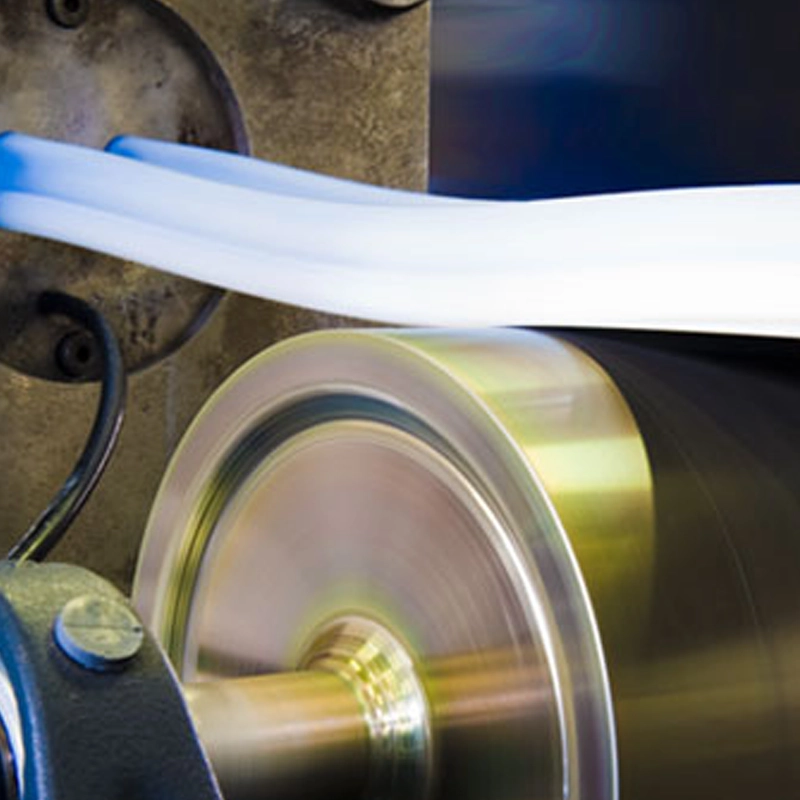
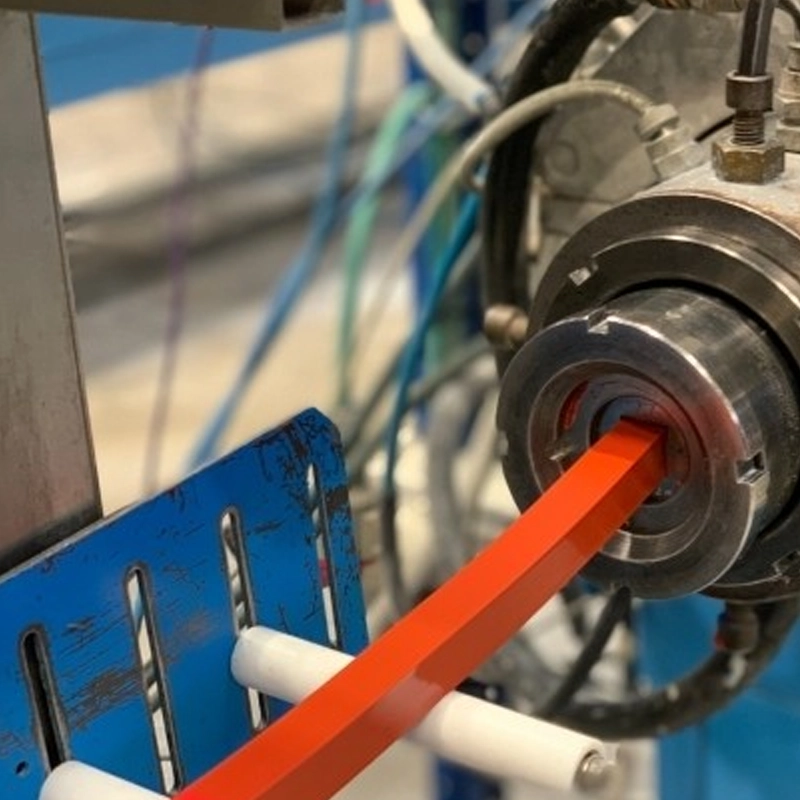
Silicone extrusion involves forcing uncured medical-grade silicone through a custom-engineered die to create tubing with a uniform cross-section. The tubing is then cured, inspected, and processed according to medical industry standards.
Why Silicone Is Preferred for Medical Tubing
Silicone is widely used in medical environments due to its:
- Excellent biocompatibility
- Non-toxic and non-reactive properties
- Stability across a wide temperature range
- Resistance to chemicals, UV, and aging
These characteristics make silicone ideal for applications where patient safety and long-term performance are essential.
Common Applications
Extruded silicone medical tubing is commonly used in:
- Catheters and drainage systems
- Peristaltic pump tubing
- Respiratory and anesthesia circuits
- IV fluid transfer systems
- Diagnostic and laboratory equipment
Types of Medical Silicone Tubing
Solid Silicone Tubing
Single-lumen tubing with consistent wall thickness, commonly used for fluid transfer and pumping applications.
Multi-Lumen Tubing
Designed with multiple internal channels, allowing simultaneous delivery of fluids, air, or instruments within a single tube.
Co-Extruded Silicone Tubing
Combines different silicone compounds or colors in one extrusion for functional or visual differentiation.
Radiopaque Silicone Tubing
Contains radiopaque additives, enabling visibility under X-ray or fluoroscopy for precise placement during procedures.
Reinforced Braided Silicone Tubing
Features textile or wire reinforcement for enhanced pressure resistance while maintaining flexibility.
Thin-Wall and Thick-Wall Tubing
Custom-engineered to balance flexibility, flow rate, and mechanical strength based on application requirements.
The Silicone Extrusion Process Step by Step
Medical-Grade Silicone Selection
The process begins with carefully selected platinum-cured, medical-grade silicone materials that comply with USP Class VI and ISO standards.
Mixing and Compounding
Custom formulations may be compounded to achieve specific hardness, color, or functional properties.
Die Design and Machine Setup
Precision die engineering is critical. At Neosilicone, we design and manufacture custom dies to achieve exact dimensional control.
Continuous Extrusion
Silicone is continuously extruded through the die, ensuring uniformity and efficiency for both prototyping and mass production.
Curing
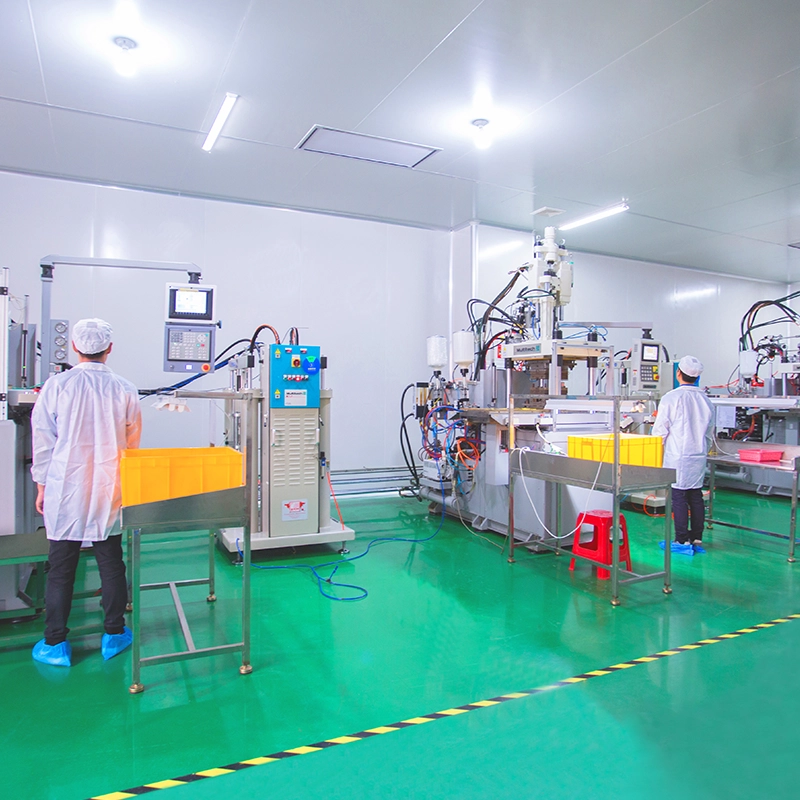
The extruded tubing passes through controlled heating systems to fully cure the silicone and lock in its physical properties.
Post-Processing
Cutting, spooling, printing, bonding, or secondary assembly processes are performed as required.
Cleanroom Packaging
Medical tubing is inspected and packaged in controlled environments to ensure cleanliness and traceability.
Benefits of Silicone Extrusion for Medical Tubing
Biocompatibility & Safety
Medical silicone is safe for direct contact with bodily fluids and tissues, minimizing the risk of adverse reactions.
Flexibility & Kink Resistance
Extruded silicone tubing maintains flexibility without collapsing, even in tight routing or dynamic applications.
High Thermal & Chemical Resistance
Silicone withstands sterilization methods such as autoclaving, gamma radiation, and chemical cleaning.
Long-Term Durability
Silicone resists cracking, hardening, and degradation over time, supporting long product lifecycles.
Transparency
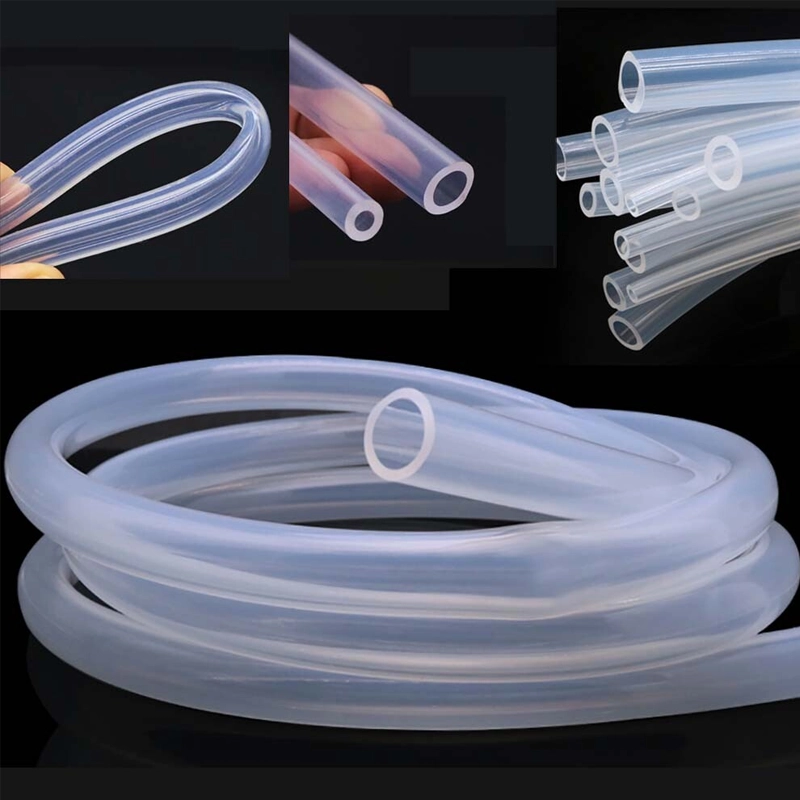
Clear silicone allows visual monitoring of fluid flow, bubbles, or contamination.
Complex Multi-Lumen Capability
Extrusion enables complex internal geometries that are difficult to achieve with other manufacturing methods.
Silicone Extrusion Services
Cleanroom Extrusion Capability
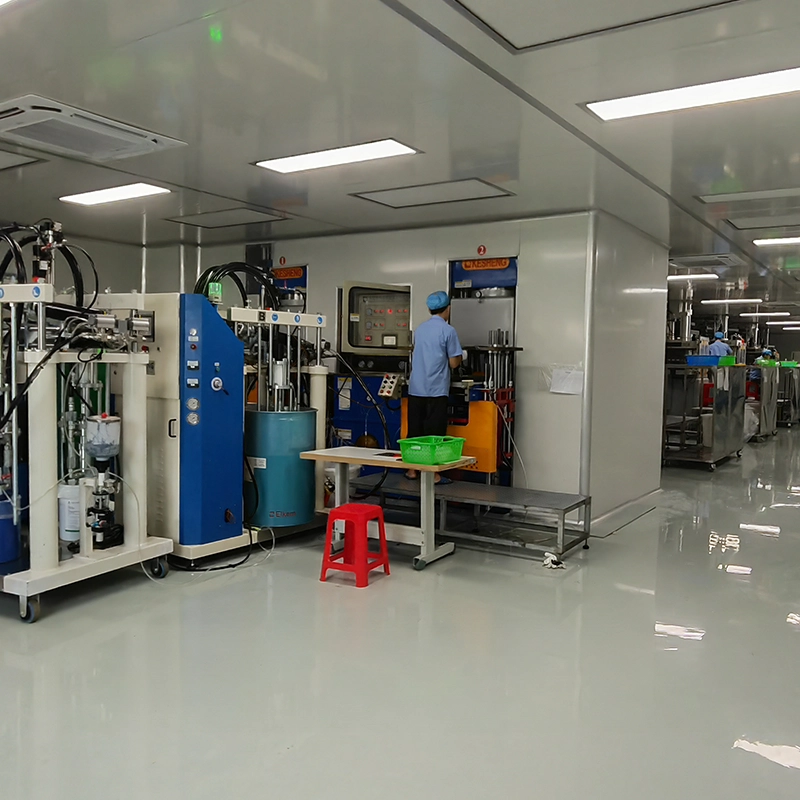
Controlled environments ensure medical-grade cleanliness throughout production.
Expertise in Precision Die Engineering
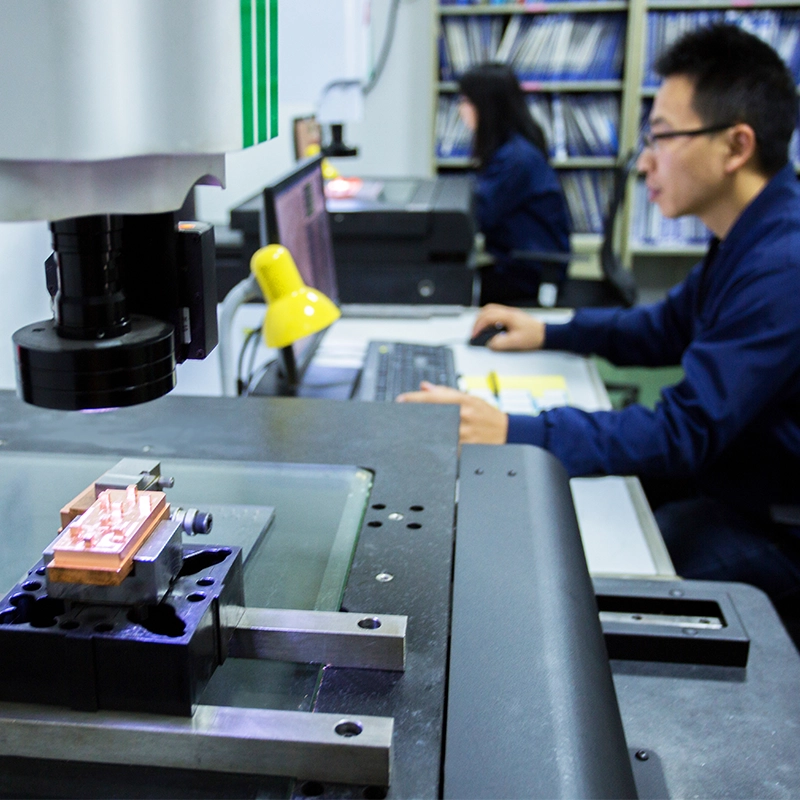
Custom dies enable tight tolerances and consistent quality for advanced tubing designs.
Prototype-to-Production Scalability
From early-stage prototypes to high-volume production, extrusion supports rapid scaling.
Secondary Processing Capabilities
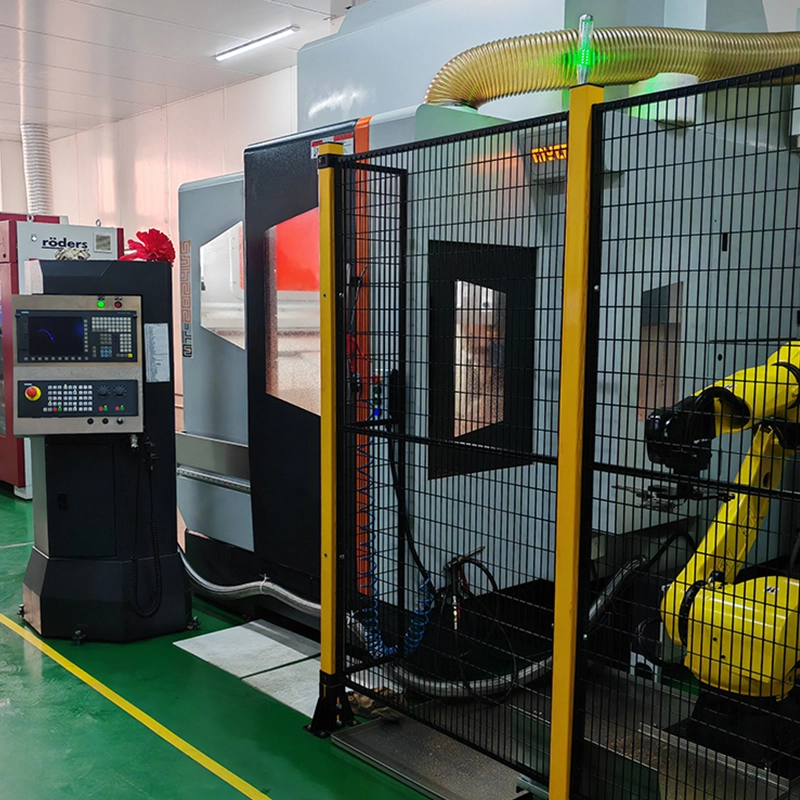
We offer cutting, bonding, printing, and assembly as part of our one-stop service.
Strong Documentation and Traceability
Comprehensive documentation supports regulatory compliance and quality assurance.
Conclusion:
Choosing silicone extrusion for medical tubing means choosing reliability, safety, and performance. The right manufacturer and suppliers can help you reduce risk, accelerate development, and ensure consistent quality across your product lifecycle.
At Neosilicone, we are committed to supporting medical device companies with high-quality custom medical tube solutions through our integrated OEM service and dependable one-stop service.
Contact us today to discuss your specifications, request samples, or explore how Neosilicone can support your medical tubing needs. We’re ready to collaborate and help bring your ideas to life.
 English