
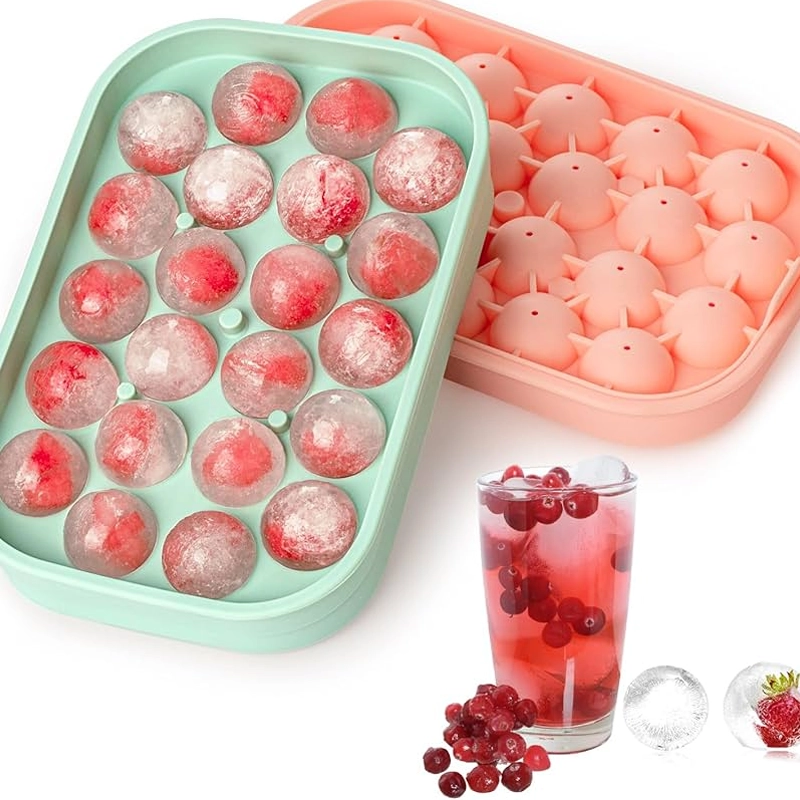
At Neosilicone, we work with global brands and distributors to design and manufacture silicone ice molds that go far beyond basic cubes. Today’s market is no longer limited to standard trays—buyers are increasingly looking for differentiated products that combine function, aesthetics, and brand identity.
One-sentence definition: Silicone ice cube trays are flexible molds made from food-grade silicone that allow water to freeze into a wide range of shapes with easy release and high detail accuracy.
For B2B buyers, the real value lies in how silicone ice trays enable customization, scalability, and consistent manufacturing quality.
Why Silicone Ice Cube Trays Excel at Creating Unique Shapes
Elasticity and Thermal Stability: Enabling Precise Mold Release Without Damage
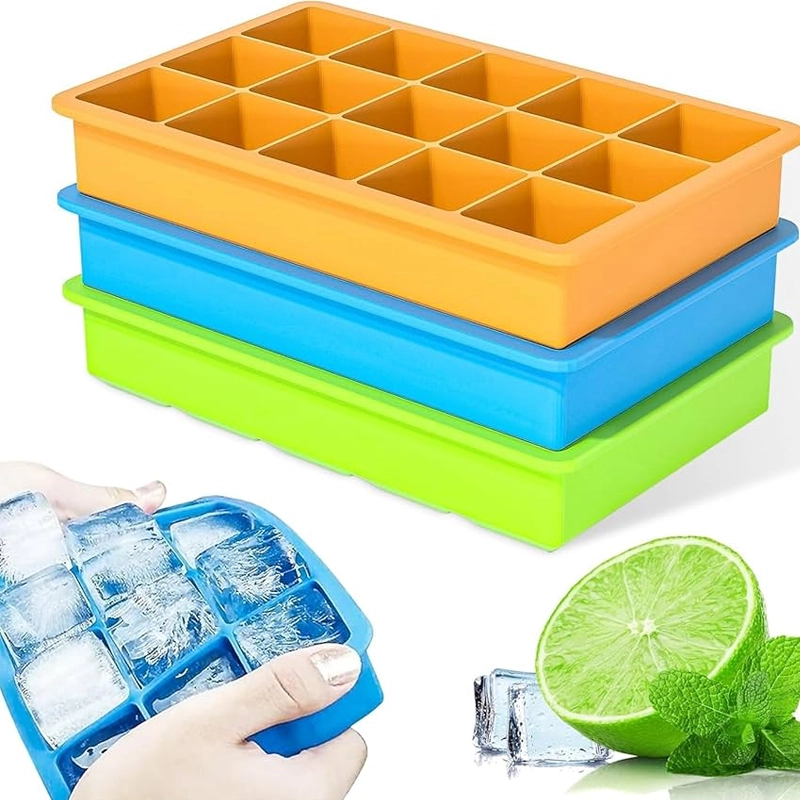
Silicone’s natural elasticity allows complex ice shapes to be released without cracking or breaking. Unlike rigid materials, silicone flexes during demolding, preserving fine edges and details.
This makes silicone ideal for:
- Intricate shapes
- Large-format cubes
- Multi-cavity molds
From a factory perspective, this flexibility also reduces product defects and improves yield rates in mass production.
Food-Grade Silicone’s Non-Stick Surface at Subzero Temperatures
Food-grade silicone maintains a non-stick surface even at freezing temperatures. This ensures:
- Clean ice release
- Minimal residue buildup
- Better user experience
For suppliers, this is a key selling point when targeting premium kitchenware or beverage brands.
Popular and Practical Non-Standard Ice Cube Shapes Enabled by Silicone
Geometric, Thematic, and Functional Shapes
Silicone enables a wide variety of shapes, including:
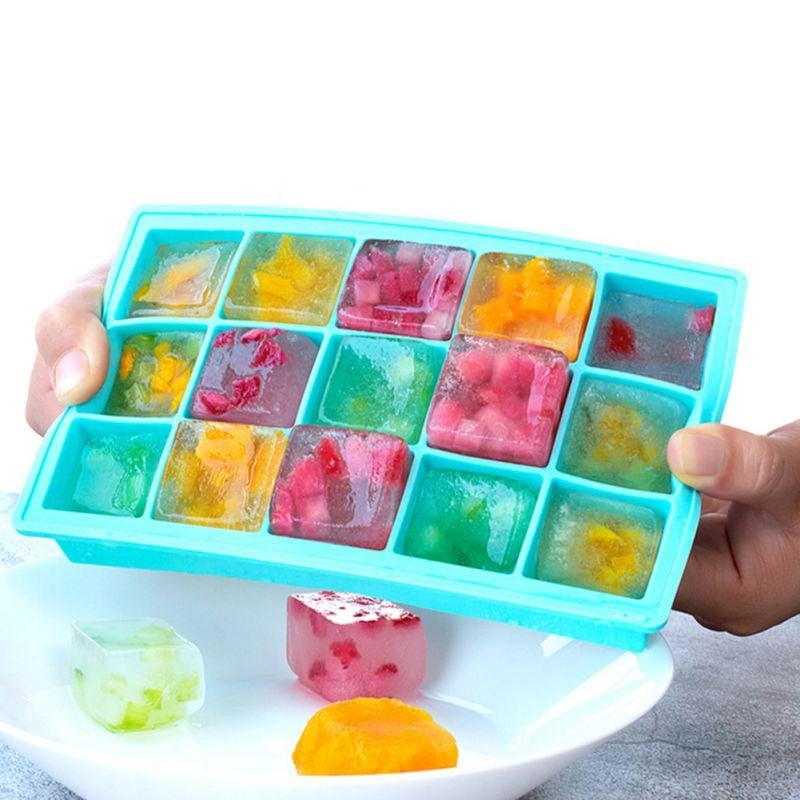
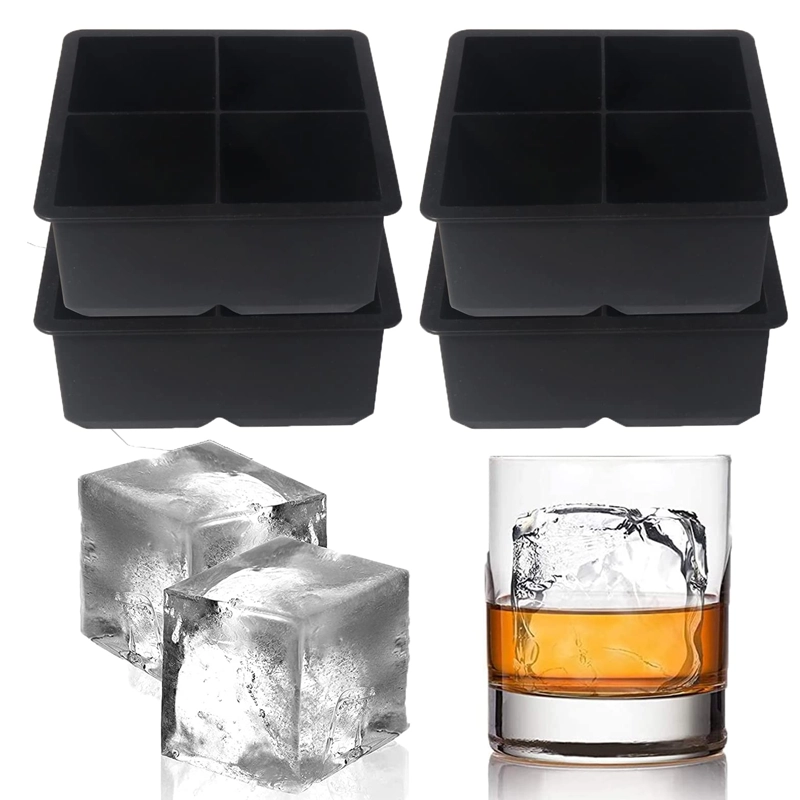
- Square ice cube tray designs for whiskey and cocktails
- Spheres for slow melting
- Hexagons for modern aesthetics
- Novelty shapes like stars, skulls, or branded logos
These designs are widely used in:
- Beverage brands
- Bars and restaurants
- Promotional products
- Retail kitchenware lines

Shape Selection Guide: Balancing Aesthetics, Melting Rate, and Drink Compatibility
Choosing the right shape is not just about appearance. It also affects performance:
- Large cubes melt slower, ideal for premium drinks
- Smaller cubes chill faster, better for daily use
- Spheres reduce surface area, extending melt time
For product developers, balancing these factors is critical to creating a competitive SKU.
Design and Manufacturing Realities of Custom Silicone Ice Cube Trays
From 3D Prototyping to Mass Production
The development of silicone ice cube trays with lids or complex shapes typically follows these steps:
- 3D design and prototyping
- Tooling and mold development
- Sample validation
- Mass production
Professional manufacturing ensures that each cavity maintains consistent dimensions and performance.

Trade-Offs: Flexibility vs. Dimensional Stability
While silicone is flexible, excessive softness can affect shape precision over time. High-quality material selection and proper mold design are essential to balance:
- Flexibility for release
- Structural stability for repeated use
This is where experienced suppliers make a difference.
Advantages and Disadvantages of Silicone Ice Cube Trays
Advantages
- Excellent flexibility and easy release
- Supports complex and custom shapes
- Durable across freeze–thaw cycles
- Compatible with custom service and branding
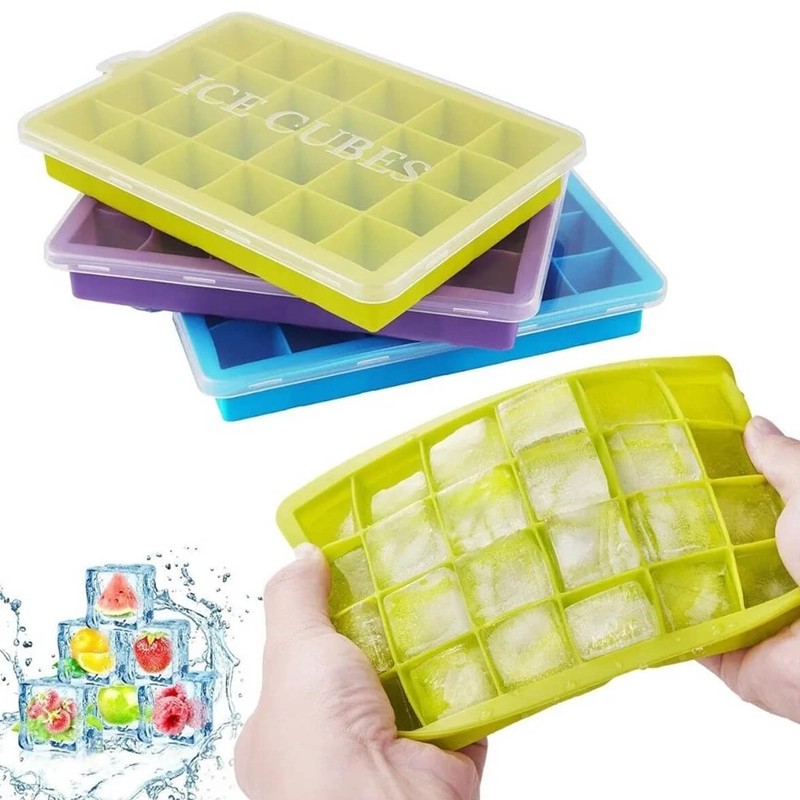
- Suitable for silicone ice cube trays with lids for better storage
Disadvantages
- Higher cost compared to basic plastic trays
- Softer structure may require support frames for stacking
- Quality varies depending on material and factory standards
Difference Between Silicone and Similar Materials
Silicone vs. Plastic Ice Trays
- Silicone: flexible, easy release, high customization
- Plastic: rigid, lower cost, limited shape options
Silicone vs. Metal Molds
- Silicone: non-stick, lightweight, consumer-friendly
- Metal: rigid, industrial use, less common for consumer ice trays
Silicone vs. Rubber
- Silicone: more stable, food-safe, odor-resistant
- Rubber: may vary in composition and performance
For most commercial kitchenware applications, silicone is the preferred material.
Purchasing Advice for B2B Buyers
When sourcing silicone ice molds, consider the following:
1. Material Quality
Ensure food-grade silicone with consistent hardness and durability.
2. Mold Design
Check cavity size, shape accuracy, and whether a lid is included.
3. Manufacturing Capability
Work with a factory that can handle tooling, sampling, and large-scale production.
4. Customization Options
Look for custom service such as:
- Logo integration
- Color matching
- Packaging design
5. Commercial Factors
Evaluate MOQ, lead time, and long-term supply stability.
At Neosilicone, we support OEM buyers with full-process solutions—from concept design to mass production—ensuring every silicone ice tray meets market expectations.
FAQ
Why is silicone preferred over plastic for ice cube trays?
Because it offers better flexibility, easier release, and supports more complex shapes.
How do silicone trays contribute to making detailed ice shapes?
Their elasticity allows intricate mold designs without damaging the final ice structure.
What are practical benefits of using silicone ice cube trays?
They improve usability, durability, and allow for premium product positioning.
How do manufacturers ensure shape fidelity in silicone ice cube trays?
Through precise tooling, controlled material selection, and strict quality control during manufacturing.

Conclusion
Silicone ice cube trays are the best choice when you need flexibility, detailed shapes, and strong customization potential. Whether you are developing a square ice cube tray for premium beverages or launching a full line of silicone ice molds, the right design and supplier will determine your product’s success.
At Neosilicone, we specialize in delivering high-quality, scalable solutions for global buyers. If you are planning a new product or exploring custom designs, contact us with your requirements—we’re ready to help you build a competitive product line.
 English