
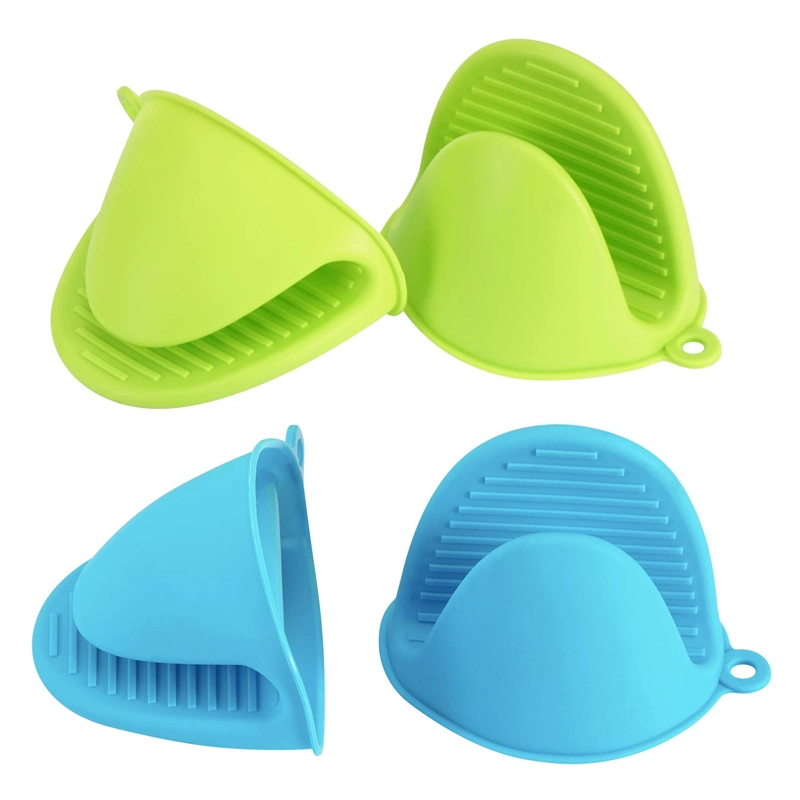
At Neosilicone, we work with brands, OEM buyers, and product developers that need reliable silicone products for high-heat applications. One of the most common questions we hear is whether silicone is truly safe for oven use and whether it is a good material for mass production. The short answer is yes — when the right formulation, testing, and manufacturing controls are in place, silicone can be an excellent choice for oven-related products and accessories.
For companies developing custom silicone ovens, baking tools, liners, molds, and silicone gloves, material safety is only one part of the equation. You also need a skilled manufacturer, a stable factory process, trusted suppliers, and a complete OEM service partner that understands product performance, heat resistance, and food-contact compliance.
What Makes Silicone Suitable for Oven Applications?
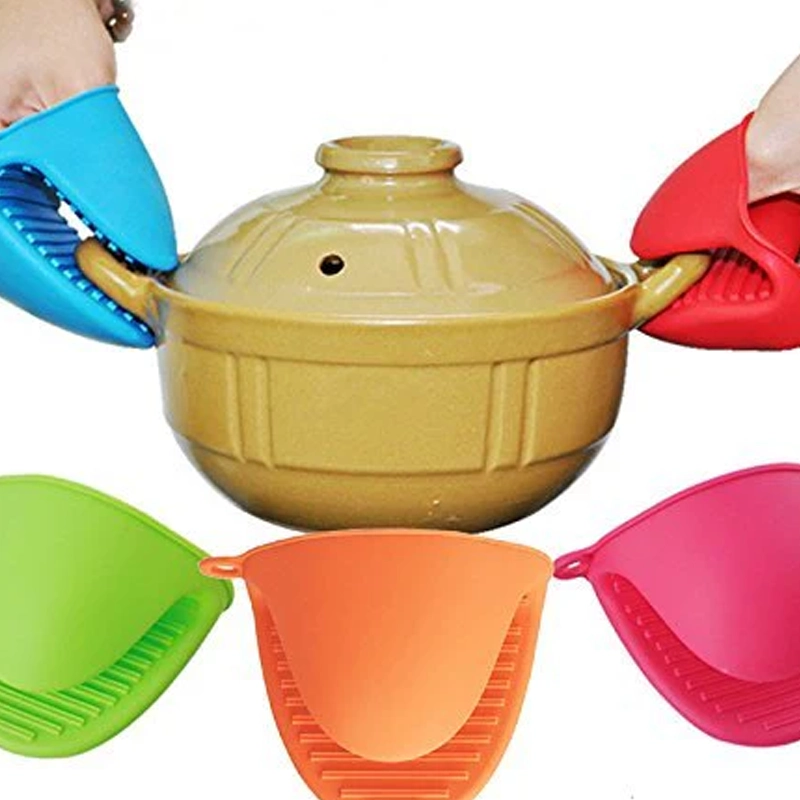
Silicone is widely used in kitchen and oven products because it performs well under heat, maintains flexibility, and does not easily crack or deform the way some plastics do. High-quality silicone can tolerate repeated exposure to elevated temperatures, which makes it useful for baking accessories, oven mitts, oven liners, food molds, and grip products.
In most consumer and commercial applications, silicone is valued for three major reasons: thermal stability, flexibility, and ease of cleaning. Unlike many rigid materials, silicone remains soft and elastic even after repeated heating cycles. That makes it especially useful for products such as silicone gloves, where comfort and insulation matter just as much as heat resistance.
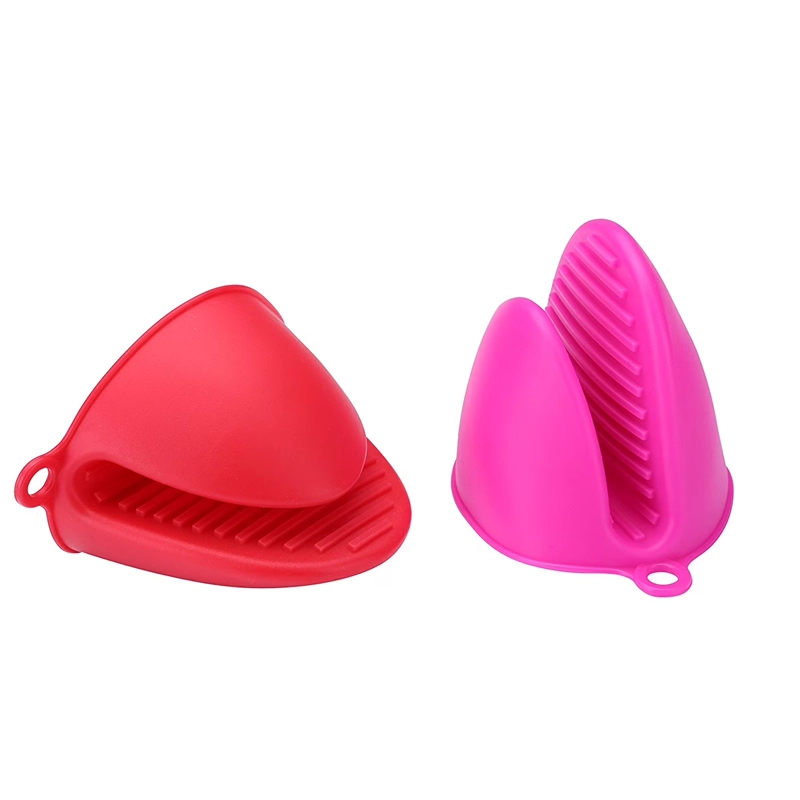
Is Silicone Safe in High-Heat Oven Use?
When silicone is made from food-grade or heat-resistant compounds, it is generally safe for oven use within the temperature range specified by the manufacturer. Most high-quality silicone products used in kitchens are designed to withstand typical baking and roasting temperatures without releasing harmful substances under normal use.
That said, not all silicone products are equal. Safety depends on the raw material quality, curing process, and whether the product has been tested for food-contact or high-temperature performance. A dependable factory will always match the silicone grade to the intended application instead of using a lower-cost material that may fail under heat.
For B2B buyers, this is especially important. If you are sourcing oven accessories, you should always request compliance documentation, temperature ratings, and testing results from your suppliers before moving into mass production.
Why Silicone Performs Well in Oven Manufacturing
Silicone has several material advantages that make it a strong option for oven-related products:
Heat Resistance
Silicone can handle high temperatures better than many plastics and rubbers. That makes it suitable for baking mats, oven mitts, baking molds, and heat-resistant grips.
Flexibility
Silicone remains flexible even after heating, which helps prevent cracking and supports comfortable handling.
Nonstick and Easy-to-Clean Surface
A smooth silicone surface releases food easily and is simple to wash, which makes it ideal for baking and food preparation products.
Chemical Stability
Food-grade silicone is typically stable and does not easily react with moisture, oils, or normal cooking conditions.
Long Service Life
When produced correctly, silicone products can be used repeatedly without quickly wearing out, which is important for both consumer satisfaction and long-term brand value.
The Manufacturing Process of Silicone Oven Products
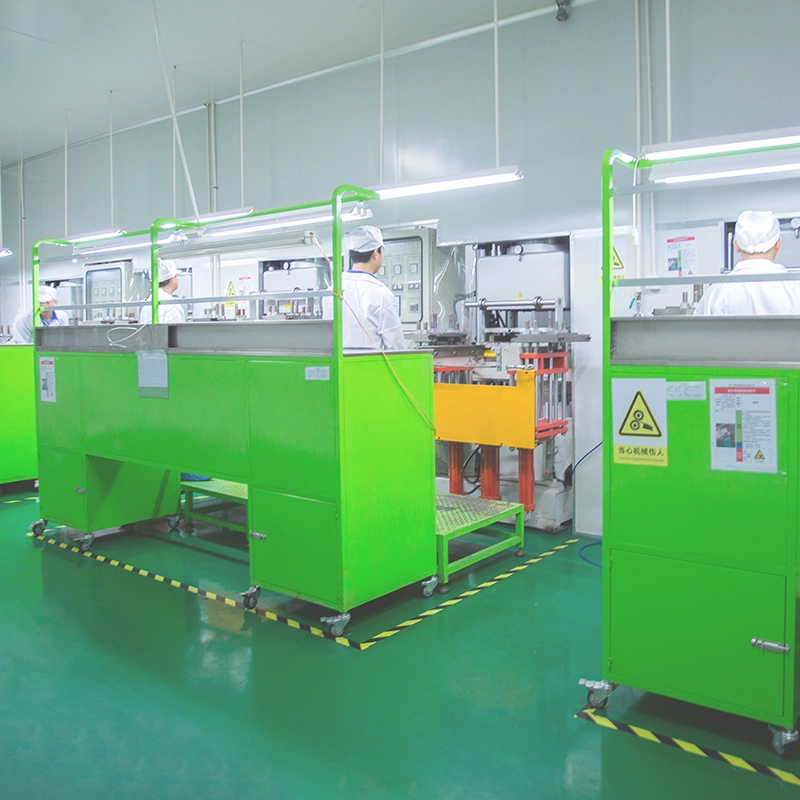
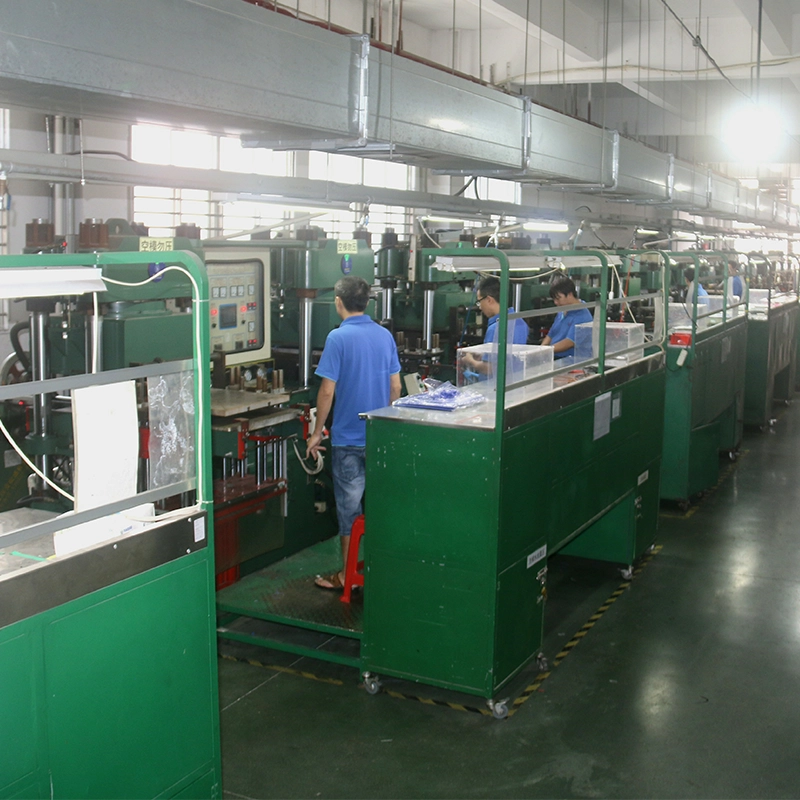
Producing silicone products for oven use requires careful control at every stage. Whether you are developing oven mats, grips, trays, or silicone gloves, the process should be engineered for consistency and heat performance.
1. Material Selection
The process begins with choosing the right silicone compound. For oven products, the material usually needs to be heat-resistant, food-safe, and durable enough to handle repeated use. Depending on the application, the formulation may be adjusted for softness, thickness, color, or flexibility.
2. Mold Design
A precision mold is created based on the product design. This step is especially important for custom silicone ovens and related accessories because the mold determines the final shape, wall thickness, texture, and fit.
3. Compression or Injection Molding
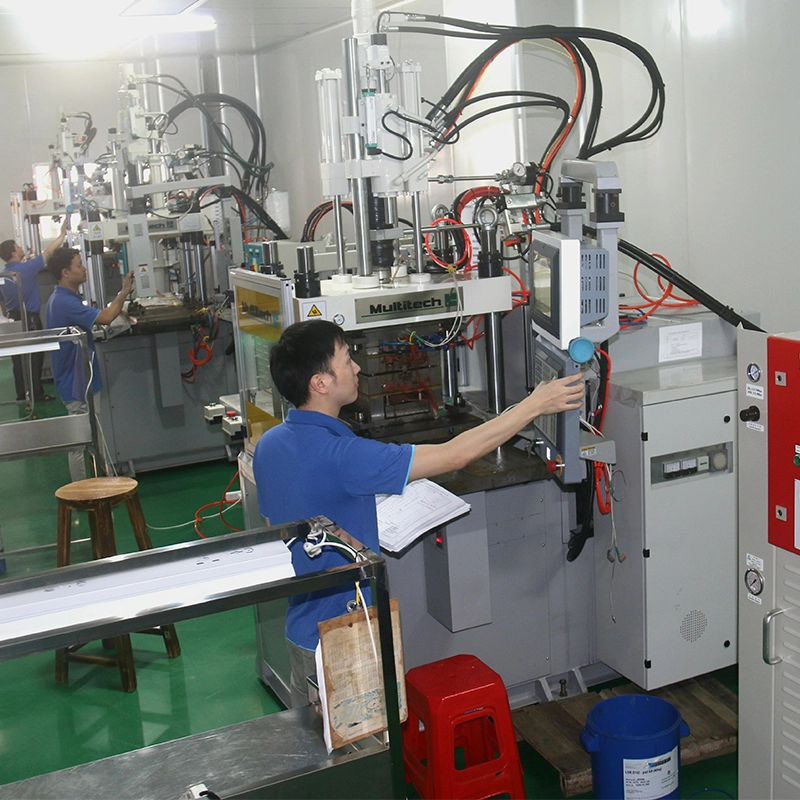
Silicone is then formed under controlled temperature and pressure. A professional manufacturer will choose the best process based on the product structure. Thicker items may use compression molding, while more detailed parts may use injection molding.
4. Trimming and Finishing
After molding, the product is trimmed to remove excess material and improve appearance. Surface finishing may also be added depending on customer requirements.
5. Post-Curing and Testing
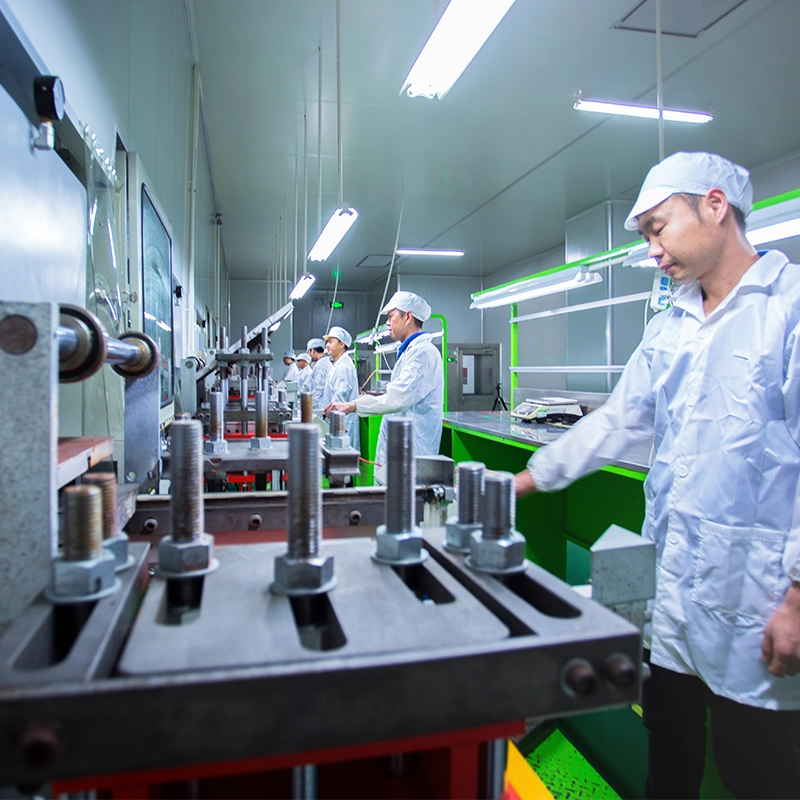
Post-curing helps stabilize the silicone and improve performance under heat. A reliable factory will test products for flexibility, heat tolerance, odor, and dimensional accuracy before shipment.
6. Packaging and OEM Delivery
Once approved, the products are packed according to the customer’s branding and shipping requirements. This is where a strong OEM service becomes valuable, especially for private-label or retail projects.
What Buyers Should Ask Suppliers Before Production
Not every supplier can deliver the same level of quality. If you are sourcing oven-safe silicone products, ask these questions before placing an order:
What is the exact silicone grade?
You should know whether the material is food-grade, platinum-cured, or designed for general industrial use.
What temperature range can it handle?
This is critical for oven products, especially if the item will be exposed to direct heat.
What testing has been completed?
Ask for material certificates, heat resistance data, and any available food-contact compliance reports.
Can the product be customized?
A good supplier should be able to support product shape, color, logo, packaging, and functional design changes.
Do you offer full OEM service?
If you need design-to-production support, work with a partner that can handle development, tooling, sampling, and mass manufacturing.
Why Silicone Is a Smart Choice for Brands
For brands entering the kitchenware or heat-resistant product market, silicone offers a strong combination of safety, usability, and design flexibility. It is especially useful for products that must survive frequent oven exposure while still feeling comfortable and practical for the end user.
That is why many companies prefer to work with experienced suppliers who understand how to develop high-performance silicone products from concept to production. Whether you need custom baking accessories, protective grips, or silicone gloves, the right manufacturer can help you avoid material problems and achieve a more reliable product line.
Conclusion
So, is silicone safe to use in oven production manufacturing? Yes — when it is made from the right material and produced under strict quality control, silicone is one of the most practical choices for oven-related products. It is heat resistant, flexible, durable, and highly suitable for custom kitchenware and protective accessories.
At Neosilicone, we support customers who are developing oven-safe silicone products with complete engineering, tooling, and production support. From custom silicone ovens and baking accessories to silicone gloves, our factory provides dependable OEM service for brands that value quality and consistency.
If you are looking for a trusted manufacturer or need a reliable partner for your next silicone project, share your product idea, target temperature range, and order volume with us. We would be glad to help you build a high-performing product that meets your market needs.
 English