
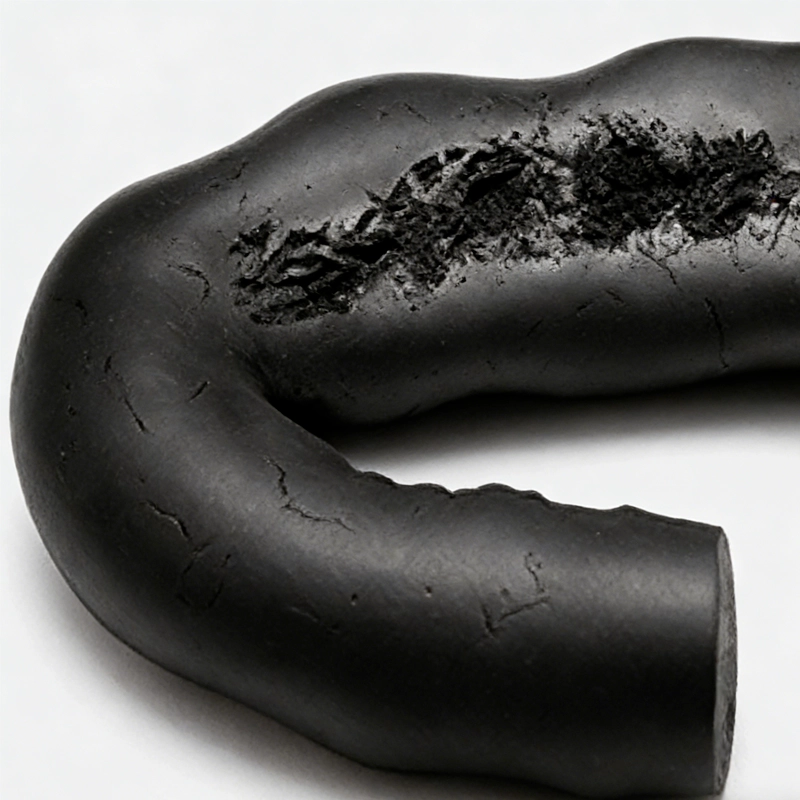
Rubber is everywhere—from the tires on your car to the seals in your kitchen appliances. But what happens when rubber starts to deteriorate? It’s something no one likes to think about, especially when those rubber parts are critical to your machinery, seals, or industrial equipment. Rubber degradation doesn’t just happen overnight, but understanding what causes it, how it progresses, and what you can do to prevent it, can save your business time and money in the long run. Let’s dive into this fascinating topic!
Understanding Rubber Degradation
Rubber degradation is a natural process that occurs when rubber materials break down or lose their original properties. While rubber is known for its durability, it’s not invincible. Over time, exposure to various environmental factors can cause rubber to weaken, crack, or lose its elasticity. Understanding how and why rubber breaks down is the first step in preventing it, so let’s break it down.
How Does Rubber Break Down Over Time?
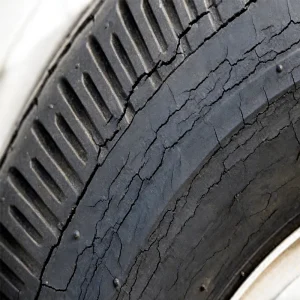
Rubber deterioration can be caused by a combination of factors, often triggered by both internal and external conditions. The primary cause is oxidation, where oxygen in the air reacts with the rubber molecules, causing them to weaken. You’ve probably noticed that rubber items, like car tires or seals, often start to crack and harden as they age. That’s oxidation at work!
But oxidation isn’t the only villain. UV radiation from sunlight, ozone exposure, temperature extremes, and moisture can also play a big role in rubber’s deterioration. For example, ozone reacts with rubber, causing it to crack and lose its strength. High heat, on the other hand, can soften rubber, causing it to lose its structural integrity. Moisture can weaken rubber seals, causing them to swell or break.
Key Factors Behind Rubber Degradation
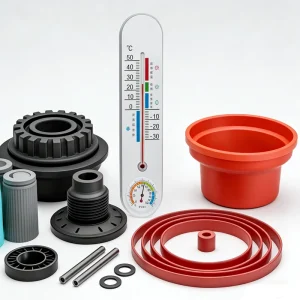
Here are the main culprits responsible for rubber deterioration:
-
Ozone Exposure: Ozone, a highly reactive molecule in the atmosphere, interacts with rubber, causing it to degrade over time. This is particularly common in outdoor applications, where rubber is exposed to environmental pollutants.
-
UV Radiation: Sunlight’s ultraviolet rays break down rubber’s chemical structure, causing it to lose flexibility and crack. This is especially problematic for rubber used in outdoor environments.
-
Heat: Excessive heat causes rubber to soften and lose its shape, weakening its overall structure. Over time, this can lead to reduced performance, especially in seals and gaskets.
-
Moisture: Excessive moisture can cause rubber to swell, crack, or soften. Prolonged exposure to water, especially in industrial settings, can reduce the rubber’s lifespan.
-
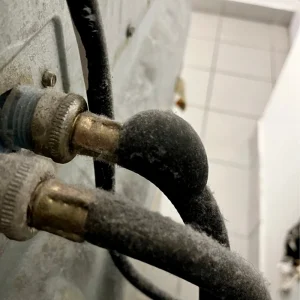
Chemical Exposure: Oils, solvents, and harsh chemicals can break down rubber compounds, accelerating degradation. This is especially important to consider in industries where rubber parts come into direct contact with such substances.
Preventing Rubber Degradation: Tips and Best Practices
Preventing rubber degradation is possible, but it requires the right knowledge and maintenance strategies. Here are a few tips to keep your rubber parts in top shape:
-
Use Rubber with the Right Properties: Not all rubbers are created equal! Choose the right type of rubber that suits your specific needs and environmental conditions. For instance, Neosilicone offers high resistance to both heat and ozone, making it a great choice for harsh environments.
-
Protect from UV and Ozone: Store rubber products in cool, dark places whenever possible, and avoid exposing them to direct sunlight. Using UV-resistant coatings can also help extend their lifespan.
-
Control Temperature: Keeping rubber seals and components in a stable temperature range can prevent heat-related degradation. Be mindful of industrial machinery that operates at high temperatures.
-
Seal and Maintain: Regularly inspect rubber parts for cracks, wear, or other signs of degradation. Routine maintenance and early replacement can help avoid costly downtime.
-
Consider Moisture Management: In environments prone to moisture, make sure the rubber is well-sealed. Using specialized rubbers resistant to water and moisture can further protect your equipment.
-
Proper Storage: Proper storage and handling can greatly improve the longevity of rubber parts. Avoid storing them in direct contact with harsh chemicals or in areas with high humidity.
Conclusion: How Neosilicone Can Help
If you’re in the business of manufacturing or maintaining equipment that relies on rubber parts, using high-quality materials is essential. At Neosilicone, we specialize in producing premium silicone and rubber products that offer superior resistance to environmental factors like UV rays, ozone, and extreme temperatures. Our advanced formulations are designed to extend the life of your rubber seals, gaskets, and other components, ensuring that your equipment runs smoothly for years.
Whether you’re facing the challenges of rubber degradation or just looking to optimize the performance of your seals, Neosilicone is here to help with high-performance rubber materials. Don’t let rubber degradation slow down your business—contact our experts today for the best solutions!
 English